

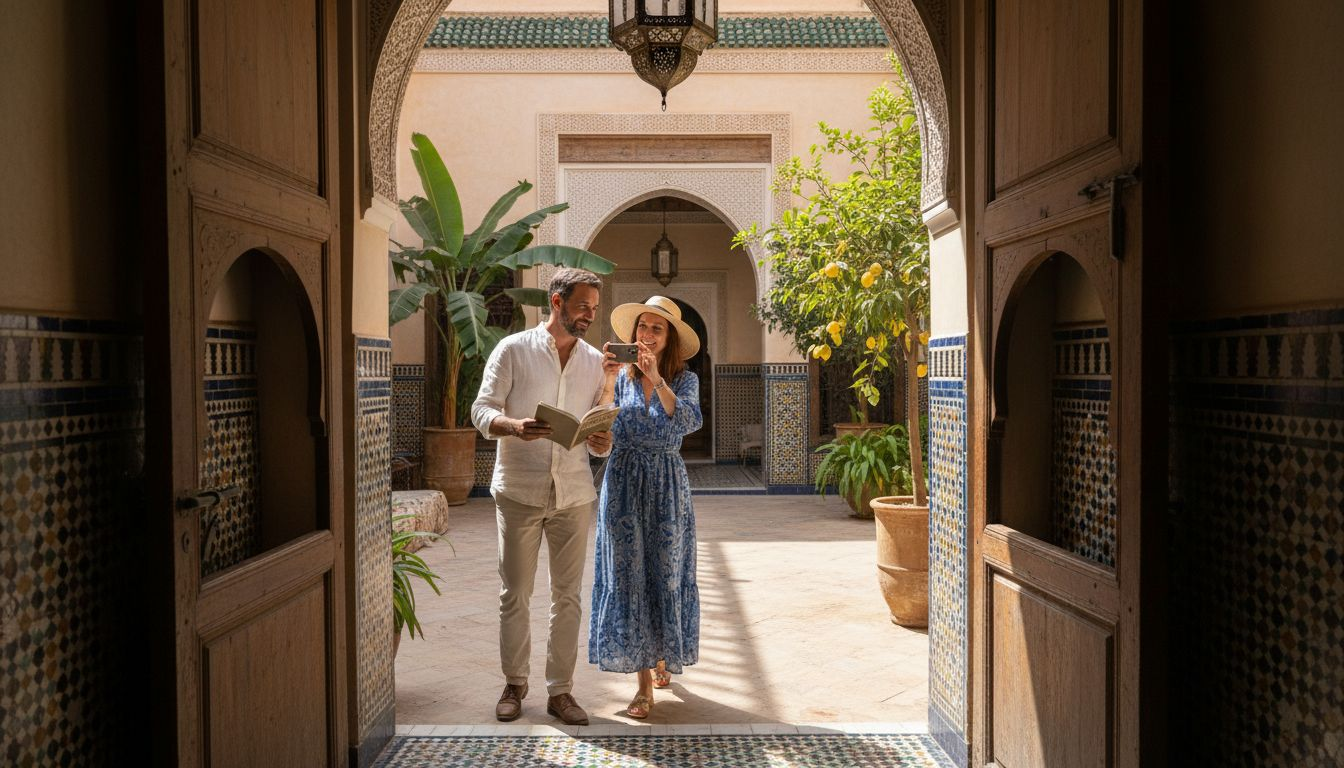
Many travelers assume Morocco is best visited in summer, but this misconception leads to sweltering heat and crowded attractions that diminish the experience. The truth is timing your visit around optimal weather windows, crowd patterns, and regional festivals transforms your journey from ordinary to extraordinary. This guide reveals exactly when to travel for the perfect balance of comfortable temperatures, authentic cultural experiences, and unique things for luxury travelers seeking unforgettable adventures.
Table of Contents
- When Is the Best Time to Visit Morocco for Luxury Travelers?
- Understanding Seasonal Variations: Summer And Winter Travel
- Festival And Regional Timing: Balancing Culture, Pricing, And Crowds
- Practical Tips For Planning Your 2026 Morocco Trip
- Plan Your Perfect Morocco Trip With Expert Tours
Key takeaways
| Point | Details |
|---|---|
| Optimal months | April and October offer ideal temperatures (18-24°C) with moderate crowds and favorable conditions for all activities. |
| Summer considerations | Peak season brings intense coastal crowds, but interior cities reach 35-45°C, making heat management essential. |
| Winter opportunities | Budget-friendly rates and Atlas skiing emerge, though desert nights require warm layers. |
| Festival impact | Major events like Marrakech International Film Festival demand 3-4 month advance booking due to price spikes. |
When is the best time to visit Morocco for luxury travelers?
Luxury travelers seeking the perfect Morocco experience should target April and October with temperatures of 18-24°C. These shoulder months deliver comfortable conditions for exploring imperial cities, trekking mountain trails, and enjoying desert camps without extreme weather challenges.
April accommodation prices range from €90 to €150 per night for upscale riads and boutique hotels, significantly lower than summer peak rates. You’ll encounter moderate tourist volumes that create an exclusive atmosphere without the isolation of off-season travel. This balance means securing restaurant reservations and tour guides remains straightforward while avoiding the crush of high season.
October mirrors April’s advantages with post-summer freshness and vibrant landscapes following occasional autumn rains. The mild climate supports diverse activities from Marrakech cooking classes to Sahara expeditions, all while maintaining luxury and adventure travel guide standards that discerning travelers expect.
Moderate crowd levels during these months protect the authentic character of medina shopping, hammam experiences, and intimate cultural encounters. You’ll photograph iconic locations like Jardin Majorelle and Ait Benhaddou without battling hordes of tourists or waiting for clear shots.
Pro Tip: Secure your preferred luxury accommodations 3-4 months ahead during April and October, as boutique properties with limited rooms fill quickly despite the shoulder season status.
These optimal windows also align with Morocco’s agricultural calendar, bringing fresh produce to restaurant tables and vibrant colors to rural landscapes. Spring wildflowers and autumn harvests add visual richness to your photography and culinary experiences that summer’s dried terrain cannot match.
Understanding seasonal variations: summer and winter travel
Summer in Morocco splits into two distinct experiences based on geography. Interior cities reach 35-45°C from June through August, creating challenging conditions for daytime exploration in Marrakech, Fes, and desert regions. The intense heat limits comfortable sightseeing to early morning and evening hours.
Coastal destinations like Essaouira and Casablanca maintain pleasant temperatures during summer months, benefiting from Atlantic breezes that moderate the heat. Beach-focused luxury stays thrive in this season, with water sports, seaside dining, and relaxed resort experiences taking center stage. However, accommodation prices peak, and European vacation crowds flood coastal areas.
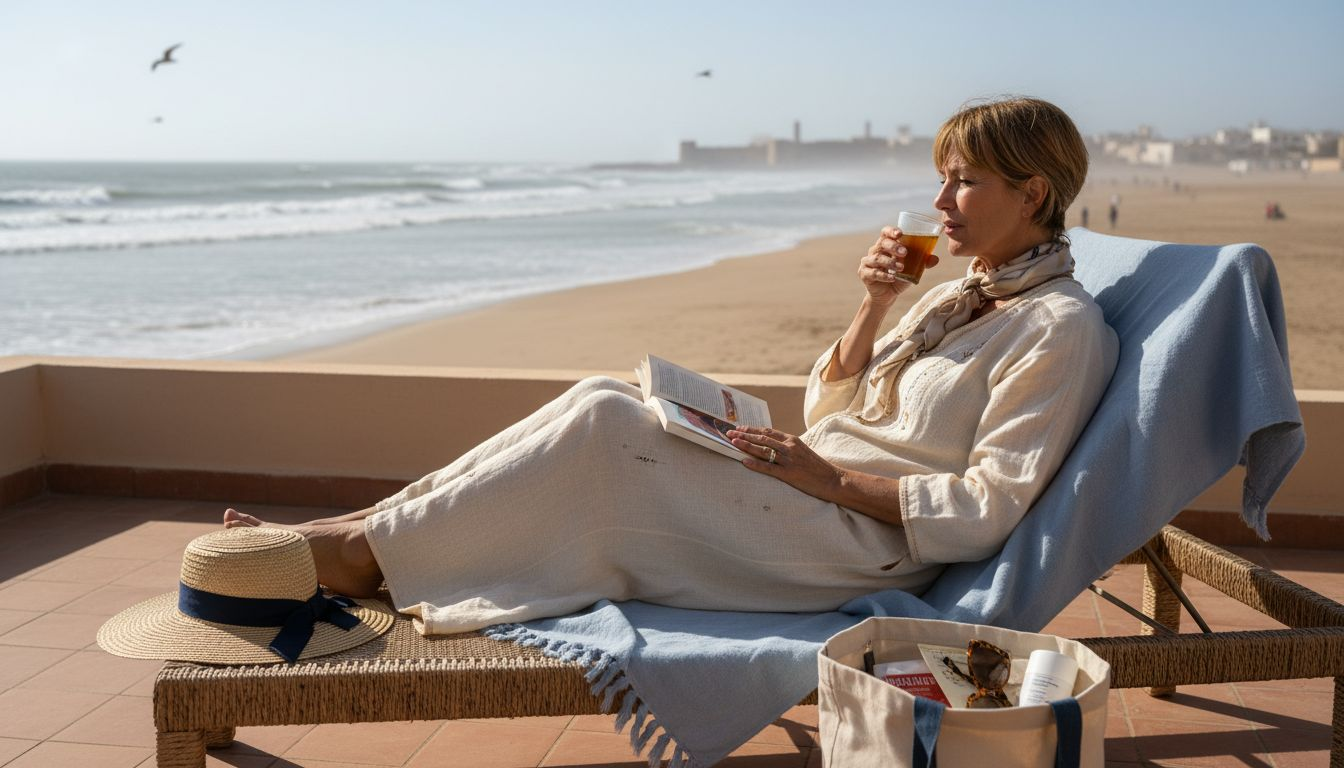
Winter transforms Morocco’s luxury and adventure travel guide opportunities entirely. December through February brings budget-friendly rates of €50-100 per night and Atlas Mountains skiing that rivals European resorts at a fraction of the cost. Oukaimeden and Ifrane attract winter sports enthusiasts seeking unique North African powder.
Desert regions present the winter paradox: comfortable daytime temperatures for camel trekking and dune exploration give way to near-freezing nights. Your Morocco desert tour package needs proper cold-weather gear, heavy blankets, and heated accommodations to maintain comfort after sunset.
Pro Tip: Match your activity preferences to season strategically: book beach luxury for summer coastal comfort, reserve winter for mountain adventures and budget-conscious city touring, and target shoulder seasons for comprehensive itineraries covering all regions.
| Season | Interior Temp | Coastal Temp | Accommodation | Best Activities |
|---|---|---|---|---|
| Summer | 35-45°C | 22-28°C | €120-200/night | Beach, coastal cities |
| Winter | 12-18°C | 15-20°C | €50-100/night | Skiing, desert, cities |
| Spring/Fall | 18-24°C | 18-22°C | €90-150/night | All regions, all activities |
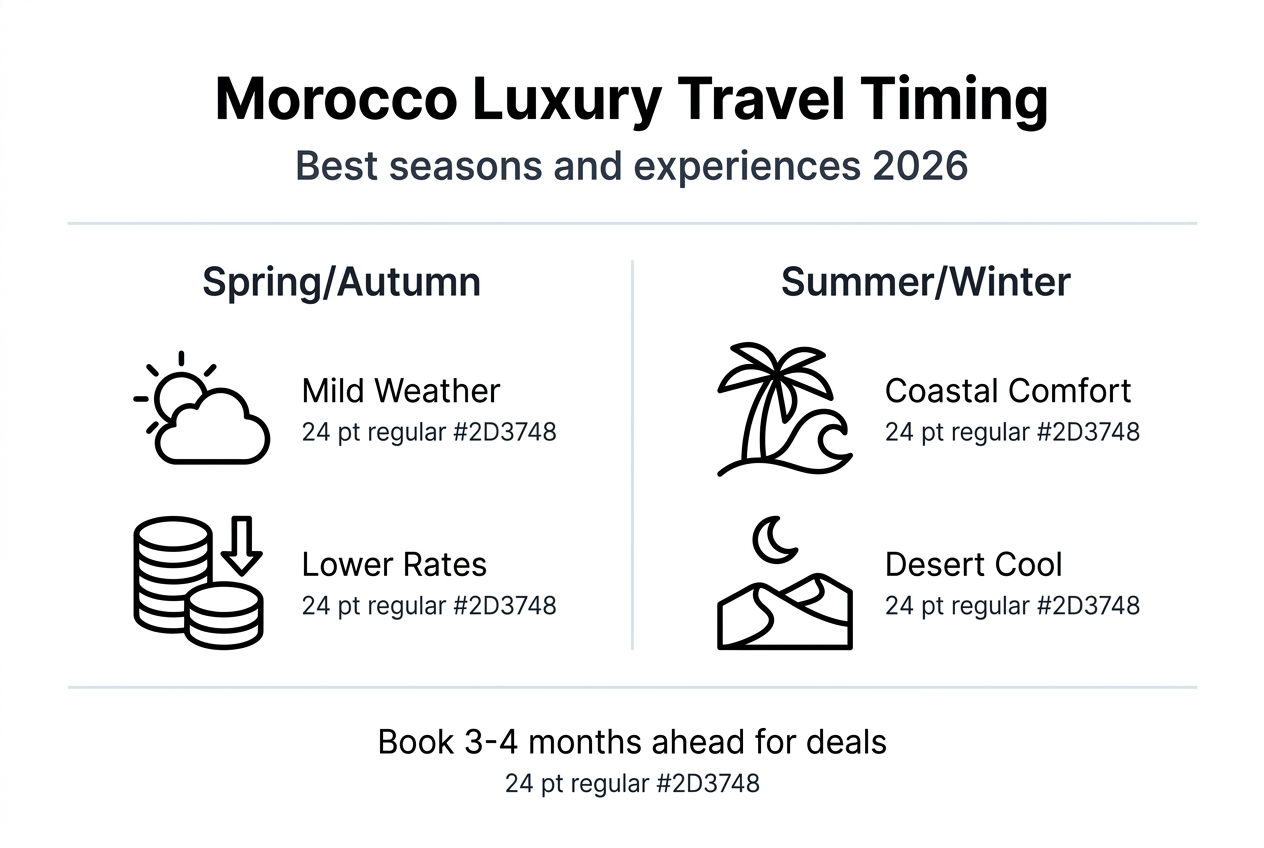
Festival and regional timing: balancing culture, pricing, and crowds
Morocco’s cultural calendar dramatically impacts your travel experience and budget. Festival timing significantly influences pricing, with events like December’s Marrakech International Film Festival, May’s Rose Festival in Kelaat M’Gouna, and October’s Date Festival in Erfoud causing accommodation spikes of 40-60% above standard rates.
Booking 3-4 months ahead becomes non-negotiable for festival periods, as boutique properties and luxury riads sell out completely. The Marrakech Film Festival attracts international celebrities and media, transforming the city into a glamorous hub where last-minute bookings disappear and prices soar. Cultural authenticity rewards early planners willing to navigate these premium periods.
Regional climate variations add another layer to timing decisions. Coastal areas maintain comfortable conditions through summer when interior cities bake, making Essaouira and Agadir ideal for July and August escapes. The Atlas Mountains stay 5-10°C cooler year-round than the surrounding lowlands, offering respite during hot months and ski opportunities in winter.
Desert regions flip the script, with winter providing the best Morocco luxury destinations and conditions for Sahara exploration. Summer desert heat exceeds safe limits for most outdoor activities, while winter’s mild days and cold nights create perfect stargazing and camel trekking windows.
| Region | Jan-Mar | Apr-Jun | Jul-Sep | Oct-Dec | Crowd Level |
|---|---|---|---|---|---|
| Coast | 15-20°C | 18-24°C | 22-28°C | 18-22°C | Moderate to High |
| Mountains | 5-12°C | 12-20°C | 20-30°C | 10-18°C | Low to Moderate |
| Desert | 10-20°C | 20-35°C | 35-45°C | 15-25°C | Moderate |
| Imperial Cities | 12-18°C | 18-28°C | 28-40°C | 15-22°C | High |
Follow these steps for festival-focused planning:
- Identify target festivals and confirm dates, as some events shift based on lunar calendars or local conditions.
- Book accommodations 4-5 months minimum before major festivals to secure preferred properties at reasonable rates.
- Arrange guided tours and restaurant reservations simultaneously, as popular experiences fill alongside hotels.
- Build flexible buffer days around festival dates to absorb schedule changes without disrupting your entire itinerary.
- Consider staying outside festival epicenters with day trip access to balance authenticity with manageable costs.
The Rose Festival showcases Berber traditions with flower harvests, parades, and traditional music that immerse you in authentic rural culture. October’s Date Festival celebrates the autumn harvest with markets, tastings, and desert hospitality that connects you to local agricultural rhythms. Planning around these events enriches your organized Sahara camp trip guide experience with unforgettable cultural depth.
Practical tips for planning your Morocco trip
Successful Morocco travel starts with strategic booking timelines. Advance booking of 3-4 months protects against sold-out properties and inflated last-minute prices, particularly for April, October, and festival periods. Luxury riads with 5-10 rooms fill faster than chain hotels, making early reservations critical for boutique experiences.
Packing for Morocco requires a layering strategy due to dramatic temperature swings. Desert nights drop 20-25°C below daytime highs, while coastal breezes cool evening temperatures year-round. Bring lightweight fabrics for hot days, warm layers for cold nights, and versatile pieces that transition between formal dinners and casual exploration.
Balancing your itinerary across luxury, cultural, and adventure activities maximizes Morocco’s diverse offerings. Dedicate days to palatial riads and fine dining, allocate time for medina wandering and artisan workshops, and reserve energy for Atlas hikes or Sahara camping. This mix prevents monotony while showcasing the country’s full spectrum.
Off-peak months deliver substantial savings without sacrificing comfort if you tolerate weather trade-offs. November and March offer 30-40% lower accommodation rates compared to April and October, with only slightly less ideal temperatures. February combines budget pricing with Atlas skiing for adventure travelers.
Pro Tip: Leverage specialized Morocco travel packages to streamline complex logistics, optimize regional timing, and access local expertise that independent planning cannot match.
Consider these essential packing and planning elements:
- Lightweight, breathable clothing in natural fabrics for daytime heat management
- Warm jacket and thermal layers for desert nights and mountain elevations
- Comfortable walking shoes with ankle support for medina cobblestones
- Sun protection including high-SPF sunscreen, hat, and sunglasses
- Power adapters for European-style outlets and portable chargers for long excursion days
- Modest clothing options respecting local customs, especially for religious sites
- Small daypack for carrying layers as temperatures fluctuate throughout the day
Flexible routing allows you to chase optimal weather across regions. Start your trip on the coast if interior cities face a heat wave, retreat to mountain towns during unexpected warm spells, or extend desert time when conditions prove exceptional. Building 1-2 unscheduled days into your itinerary creates this adaptability without pressure.
Travel insurance becomes particularly valuable for Morocco trips spanning multiple climates and activities. Coverage should include medical evacuation from remote desert and mountain areas, trip cancellation protection for festival-dependent bookings, and adventure activity coverage for trekking, skiing, or water sports.
Currency and payment planning matters more than many travelers expect. While cities accept cards widely, rural areas and souks operate primarily on cash. Carry moderate dirham amounts, use ATMs in major cities for better rates than exchange offices, and notify your bank of travel dates to prevent card blocks.
Your luxury Morocco vacation planning benefits from connecting with local guides who navigate regional timing nuances, festival schedules, and weather patterns that online research cannot fully capture. Their real-time knowledge adjusts your route dynamically as conditions evolve.
Plan your perfect Morocco trip with expert tours
Transforming seasonal knowledge into an unforgettable journey requires expert guidance and thoughtfully crafted itineraries. Professional tour packages eliminate the guesswork of timing, routing, and logistics while maximizing your experience across Morocco’s diverse regions and climates.
Customized tours match your preferences, whether you prioritize luxury Morocco tour package indulgence, cultural immersion, family-friendly adventures, or romantic Morocco honeymoon tour package escapes. Expert planners align your travel dates with optimal weather windows and special events that enhance rather than complicate your experience.
Comprehensive Morocco grand tour 14 days itinerary options showcase the country’s full spectrum from imperial cities and Atlas peaks to Sahara dunes and Atlantic coastline. These expertly paced journeys balance activity with relaxation while navigating regional climate differences seamlessly.
Professional tour operators provide 24/7 support, local expertise, and established relationships with premium accommodations that independent travelers cannot access. This insider advantage transforms good trips into extraordinary adventures perfectly timed to Morocco’s seasonal rhythms.
FAQ
What is the best time to visit the Sahara Desert in Morocco?
Spring (April) and autumn (October) offer ideal Sahara conditions with comfortable daytime temperatures for camel trekking and manageable nights for desert camping. Winter provides excellent daytime weather but requires substantial cold-weather gear for near-freezing nights. Summer heat exceeds safe limits for most outdoor desert activities, making it the least favorable season for Morocco desert tour package experiences.
How do festivals affect travel costs and accommodation availability in Morocco?
Major festivals create 40-60% price increases and sell out boutique accommodations entirely, particularly the December Marrakech International Film Festival, May Rose Festival, and October Date Festival. Booking 3-4 months ahead secures availability and prevents inflated last-minute rates. Festival periods deliver unmatched cultural immersion but demand early planning for the best Morocco luxury destinations access.
What are the climate differences between Morocco’s coast, mountains, and desert?
Coastal areas maintain pleasant summer conditions with Atlantic breezes moderating heat to 22-28°C when interior cities reach 35-45°C. The Atlas Mountains stay 5-10°C cooler year-round, offering summer respite and winter skiing opportunities. Desert regions experience extreme temperature swings with hot days and cold nights, performing best in winter months for comfortable Sahara camp trip guide exploration.
Should I visit Morocco during Ramadan?
Ramadan brings unique cultural insights as locals fast from dawn to sunset, but daytime restaurant closures and modified business hours complicate tourist activities. Evenings, iftar meals offer authentic experiences unavailable other times, while reduced crowds make sightseeing easier. Consider your flexibility and cultural curiosity when deciding, as Ramadan dates shift annually on the lunar calendar.
How far in advance should I book luxury accommodations in Morocco?
Book 3-4 months ahead for optimal April and October travel, 4-5 months for festival periods, and 2-3 months for other seasons. Boutique riads with limited rooms sell out faster than chain hotels, making early reservations essential for authentic luxury experiences. Last-minute bookings risk unavailability or premium pricing that erodes your travel budget unnecessarily.


