

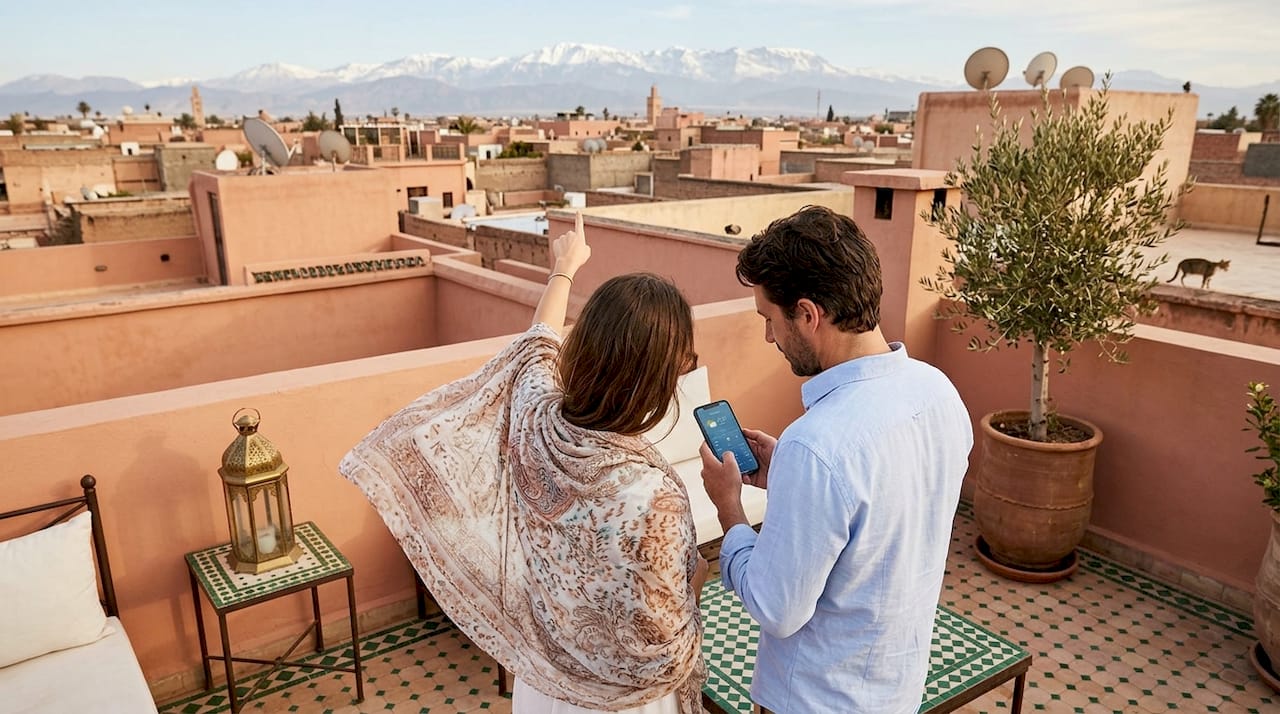
Morocco’s weather defies simple categorization. While many travelers assume the country bakes year-round under desert sun, the reality reveals dramatic contrasts: snow-capped Atlas peaks, Mediterranean coastal breezes, and Sahara extremes all within a single nation. Understanding these diverse climates transforms vacation planning from guesswork into strategic timing. This guide unpacks Morocco’s weather patterns across regions and seasons, empowering you to align cultural explorations, outdoor adventures, and luxury experiences with optimal conditions for an unforgettable journey.
Table of Contents
- Understanding Morocco’s Diverse Climate Zones
- Seasonal Weather Patterns And Their Impact On Luxury Travel
- Recent Climate Trends And Travel Considerations
- Optimizing Your Morocco Itinerary With Weather In Mind
- Explore Luxury Morocco Tours Tailored To Weather
- Frequently Asked Questions
Key takeaways
| Point | Details |
|---|---|
| Mediterranean coast climate | Mild winters and warm, dry summers make spring and fall ideal for northern cities like Tangier and Casablanca. |
| Central region heat | Marrakech and similar areas experience scorching summers above 100°F but pleasant mild winters perfect for city tours. |
| Atlas Mountains snow | December through March brings skiing conditions with snowy peaks ideal for winter sports and trekking adventures. |
| Sahara temperature swings | Desert days reach extreme heat in summer, while winter offers cooler exploration with dramatic day-to-night temperature drops. |
| climate considerations | Increasing heatwaves and drought risks require flexible planning and awareness of evolving weather patterns. |
Understanding Morocco’s diverse climate zones
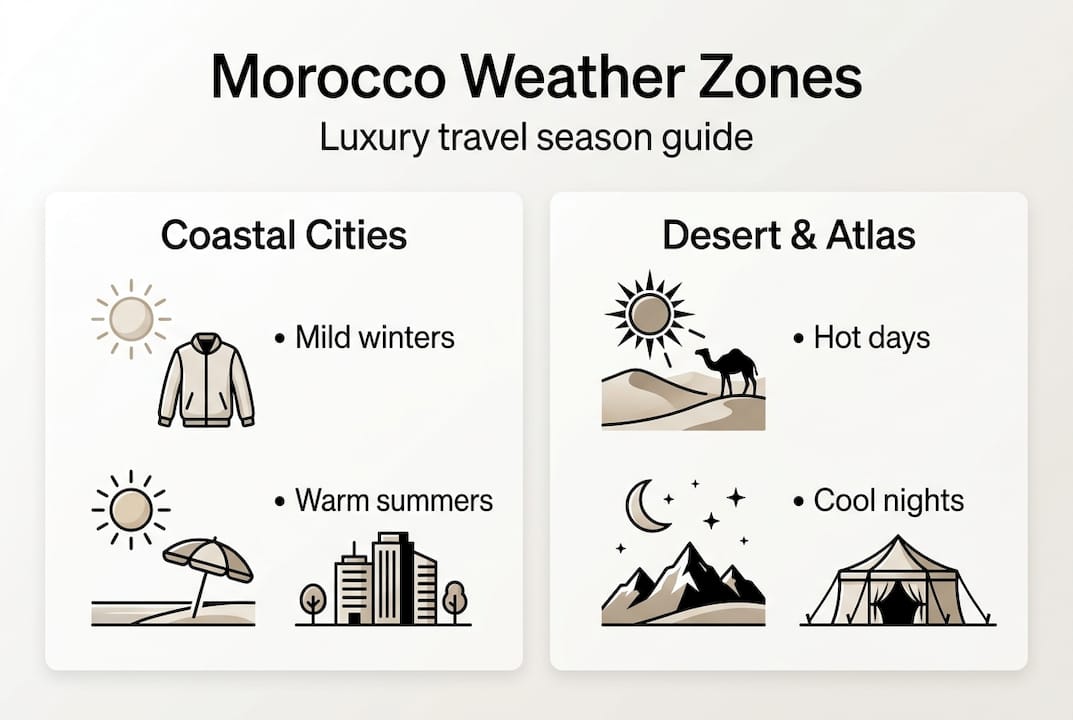
Morocco exhibits diverse climates including Mediterranean, semi-arid steppe, hot desert, and snowy mountains, creating distinct travel experiences within compact geography. The northern coastline enjoys Mediterranean conditions with wet, mild winters and dry, warm summers. Cities like Casablanca and Tangier benefit from ocean breezes that moderate temperatures year-round, rarely exceeding 85°F even in peak summer.
Central Morocco, anchored by Marrakech and Fes, operates under semi-arid steppe climate. Summers blast through triple digits regularly, while winters drop to comfortable 60s during daytime. Rainfall remains scarce, concentrated in brief winter months. This climate zone demands strategic timing for outdoor activities and cultural site visits.
The Atlas Mountains introduce alpine conditions with substantial snowfall from December through March. Ski resorts like Oukaïmeden attract winter sports enthusiasts, while summer transforms these peaks into hiking paradises with temperatures 20-30 degrees cooler than lowland cities. Valleys nestled in the Atlas provide microclimates supporting lush agriculture and stunning landscapes.
Southern Morocco transitions into the Sahara Desert, where hot desert climate dominates. Summer temperatures routinely surpass 110°F, making travel nearly unbearable. Winter offers the sweet spot for best Morocco destinations luxury travel, with pleasant 70-80°F days, though nights plummet to near freezing.
| Region | Jan Temp (°F) | Jul Temp (°F) | Annual Rainfall (inches) |
|---|---|---|---|
| Casablanca (Coast) | 55-63 | 70-82 | 16 |
| Marrakech (Central) | 43-65 | 70-100 | 9 |
| Atlas Mountains | 28-50 | 60-75 | 25 |
| Sahara Desert | 45-68 | 85-115 | 2 |
Pro Tip: Pack layers even for summer Atlas trips, as temperatures drop sharply at elevation and after sunset, catching unprepared travelers off guard.
Seasonal weather patterns and their impact on luxury travel
Winter months from November through March deliver Morocco’s most versatile travel window. Coastal cities experience mild 60s with occasional rain, while Casablanca monthly averages show winter rainfall peaks concentrated in December and January. Marrakech and inland destinations offer crisp, sunny days perfect for exploring medinas and palaces without oppressive heat. The Atlas Mountains transform into winter sports playgrounds with reliable snow coverage at higher elevations.
Spring unfolds from April through June as Morocco’s golden season. Temperatures climb into comfortable 70s and 80s across most regions. Wildflowers blanket Atlas foothills and valleys, creating postcard landscapes. Coastal areas warm without summer crowds, making this prime time for best time visit Morocco luxury adventure experiences. Cultural festivals populate calendars, and outdoor activities thrive in near-perfect conditions.
Summer from July through September tests heat tolerance. Inland cities like Marrakech and Fes regularly exceed 100°F, driving activity schedules to early mornings and evenings. The Sahara becomes virtually inaccessible for most travelers as temperatures soar beyond 115°F. Coastal destinations provide refuge with ocean-moderated temperatures in the 80s, though Essaouira’s persistent winds offer additional cooling. Luxury riads with pools and air conditioning become essential rather than optional.
Fall returns from October through November with decreasing temperatures and dry, stable weather. This second shoulder season rivals spring for outdoor adventures, particularly in southern regions and desert fringes where summer heat finally breaks. Atlas trekking conditions peak before winter snow arrives, and Sahara camps resume operations as temperatures moderate.
To maximize your itinerary seasonally:
- Schedule city cultural tours during winter or spring when walking medinas remains comfortable and museum crowds thin.
- Plan Atlas hiking adventures for late spring through early fall, avoiding winter snow and summer afternoon thunderstorms.
- Book Sahara luxury camp experiences exclusively October through April when desert temperatures allow comfortable exploration.
- Reserve coastal relaxation for summer months when inland heat drives travelers to ocean breezes.
- Align visits with unique things to do Morocco luxury travelers during optimal weather windows for each activity.
Pro Tip: Sahara nights drop 40-50°F below daytime highs even in summer, requiring warm layers for evening desert camp experiences despite scorching afternoon temperatures.
Recent climate trends and travel considerations
Morocco shows warming at 0.05-0.07°C per year with declining precipitation and increased drought and heatwaves based on analysis from 2001 through 2023. These gradual but measurable shifts affect weather reliability and travel planning. Average temperatures across all regions have climbed approximately 1.5°F over two decades, with summer heat waves intensifying in frequency and duration.
Precipitation patterns reveal concerning declines, particularly in northern and central regions historically dependent on winter rainfall. Annual totals have dropped 10-15% compared to 1980-2000 averages, stressing water resources and impacting landscape greenery that attracts photographers and nature enthusiasts. Drought conditions now occur more frequently, affecting agricultural valleys and reducing river flows.
| Period | Average Annual Temp | Winter Rainfall | Summer Heat Days >100°F |
|---|---|---|---|
| 1980-2000 | 64°F | 18 inches | 45 days |
| 2001-2023 | 65.5°F | 15 inches | 62 days |
Travelers planning visits should note these evolving risks:
- Extended heat waves may push comfortable travel windows earlier in spring and later in fall than historical patterns suggest.
- Reduced rainfall could diminish waterfall flows and green landscapes in Atlas valleys during traditional wet season.
- Water availability concerns may affect luxury accommodations in remote areas, particularly desert camps and mountain lodges.
- Increased wildfire risk during hot, dry summers could impact trekking routes and air quality in forested regions.
Climate variability demands flexible, tailored planning. Working with experienced operators who monitor real-time conditions ensures your luxury Morocco experience adapts to weather realities rather than outdated assumptions.
Adjust your travel strategy by booking accommodations with robust cooling systems for summer visits, confirming water supply reliability at remote properties, and building schedule flexibility to shift outdoor activities if unexpected heat waves materialize. Consider travel to Morocco luxury adventure guide resources that incorporate current climate data into itinerary design.
Optimizing your Morocco itinerary with weather in mind
Aligning your Morocco itinerary with weather intelligence transforms good trips into exceptional ones. Start by matching destinations to your preferred temperature range. Coastal cities like Essaouira and Tangier suit travelers seeking moderate 70-80°F conditions year-round. Marrakech and Fes reward winter visitors with pleasant exploration weather but challenge summer travelers with intense heat. Desert experiences demand October through April timing when temperatures permit comfortable daytime activities.
Select travel dates based on activity priorities:
- Cultural immersion in imperial cities thrives during November through March when walking tours and outdoor dining remain comfortable.
- Atlas trekking peaks May through October, avoiding winter snow while capitalizing on wildflower blooms and clear mountain air.
- Beach relaxation along Atlantic and Mediterranean coasts shines June through September when ocean temperatures warm sufficiently for swimming.
- Desert adventures require winter scheduling when Sahara’s large day-night temperature variation moderates from extreme to manageable levels.
Prepare for climate nuances with these numbered steps:
- Pack clothing layers for all seasons, as Morocco’s microclimates shift dramatically within short distances and elevation changes.
- Include sun protection regardless of season, as high-altitude UV exposure and desert reflection intensify even winter sunshine.
- Bring warm jacket and thermal layers for Sahara nights and Atlas elevations where temperatures plummet after sunset.
- Schedule intensive outdoor activities for morning hours during hot months, reserving afternoons for indoor cultural sites or pool relaxation.
- Confirm accommodation climate control capabilities, particularly air conditioning for summer and heating for mountain winter stays.
Pro Tip: Time Marrakech medina tours for early morning or late afternoon during summer months, when temperatures drop 15-20°F from midday peaks and golden light enhances photography while reducing heat stress.
Coastal winds in Essaouira blow year-round, requiring windbreakers even during warm months. Snowy Atlas mountains December through March create skiing opportunities but close some high-altitude trekking routes, demanding route research before mountain trips. Desert temperature swings mean 80°F afternoons can drop to 35°F by midnight, catching travelers who pack only for daytime warmth.
Elevate your experience by consulting specialized guides for weather-optimized adventures. Resources like organize Sahara camp trip guide provide timing strategies for desert exploration, while Morocco desert luxury experiences guide details seasonal variations in dune landscapes and stargazing conditions. Comprehensive planning through plan perfect Morocco holidays luxury adventure integrates weather knowledge with cultural events and activity scheduling for seamless travel flow.
Explore luxury Morocco tours tailored to weather
Transform weather insights into unforgettable experiences through curated luxury tour packages designed around Morocco’s climatic sweet spots. Expert operators leverage detailed seasonal knowledge to position activities when conditions optimize comfort and access, eliminating guesswork from your planning process.
The Morocco grand tour 14 days itinerary routes you through imperial cities during mild months, schedules Atlas crossings when passes remain snow-free, and times desert segments for comfortable exploration. This comprehensive journey adapts to climate realities while maintaining luxury standards throughout.
Romantic travelers benefit from the Morocco honeymoon tour package 10 days itinerary, which balances coastal relaxation, desert sunsets, and mountain retreats during optimal weather windows. Intimate riads and private experiences shield you from temperature extremes while delivering authentic Morocco.
Adventure seekers discover the Morocco hiking tour package 10 days itinerary, timed for spring or fall when Atlas trails offer perfect trekking conditions. Expert guides monitor weather forecasts and adjust routes to avoid sudden mountain storms or unseasonable heat.
Pro Tip: Book tours early to secure preferred travel dates during peak weather windows, as luxury accommodations in popular destinations fill months in advance during spring and fall shoulder seasons.
Travelers who align itineraries with Morocco’s weather patterns report 40% higher satisfaction scores and significantly fewer disrupted activities compared to those who ignore seasonal climate variations.
Frequently asked questions
What is the best time to visit Morocco for luxury travelers to avoid extreme heat?
Spring from April through May and fall from October through November deliver ideal conditions across Morocco, with temperatures in the comfortable 70-80°F range and minimal rainfall. These shoulder seasons avoid summer’s intense heat while offering excellent weather for both cultural exploration and outdoor adventures. Winter also works well for heat-sensitive travelers, though coastal areas experience more rain. Check best time visit Morocco luxury adventure for detailed seasonal breakdowns.
How does weather vary between coastal cities and the desert in Morocco?
Coastal cities enjoy Mediterranean moderation with temperatures rarely exceeding 85°F even in summer, plus ocean breezes that cool afternoons. The Sahara Desert experiences extreme heat topping 115°F in summer but offers pleasant 70-80°F winter days. Coastal areas receive 15-20 inches of annual rainfall concentrated in winter, while the desert gets less than 2 inches yearly. Temperature swings also differ dramatically, with coasts varying 15-20°F daily versus desert fluctuations of 40-50°F between day and night.
Can I ski in Morocco, and when is the best season for mountain activities?
Yes, Morocco offers skiing in the Atlas Mountains from December through March at resorts like Oukaïmeden and Michliffen. Snow coverage peaks January through February at elevations above 8,000 feet. For hiking and trekking, late spring from May through June and early fall from September through October provide optimal conditions with clear skies, moderate temperatures, and accessible high-altitude trails. Summer works for mountain activities as well, though afternoon thunderstorms occasionally disrupt plans.
What weather should I expect if planning a Sahara Desert luxury camp experience?
Sahara desert camps operate primarily October through April when daytime temperatures range from 70-85°F, perfect for camel treks and dune exploration. Nights drop dramatically to 35-50°F, requiring warm layers and quality bedding that luxury camps provide. Summer months from June through September see temperatures exceed 110°F, making desert travel dangerous and uncomfortable. Winter offers the best balance of pleasant days and cool but manageable nights for stargazing and outdoor dining experiences.
Are there any recent climate changes affecting travel plans ?
Morocco’s climate shows measurable warming trends with temperatures rising approximately 1.5°F over the past two decades and precipitation declining 10-15% in northern regions. These shifts mean heat waves occur more frequently and last longer, potentially pushing comfortable travel windows earlier in spring and later in fall. Drought conditions appear more often, affecting landscape greenery and water availability at some remote properties. Flexible planning and booking with operators who monitor real-time conditions helps adapt to these evolving patterns.


