

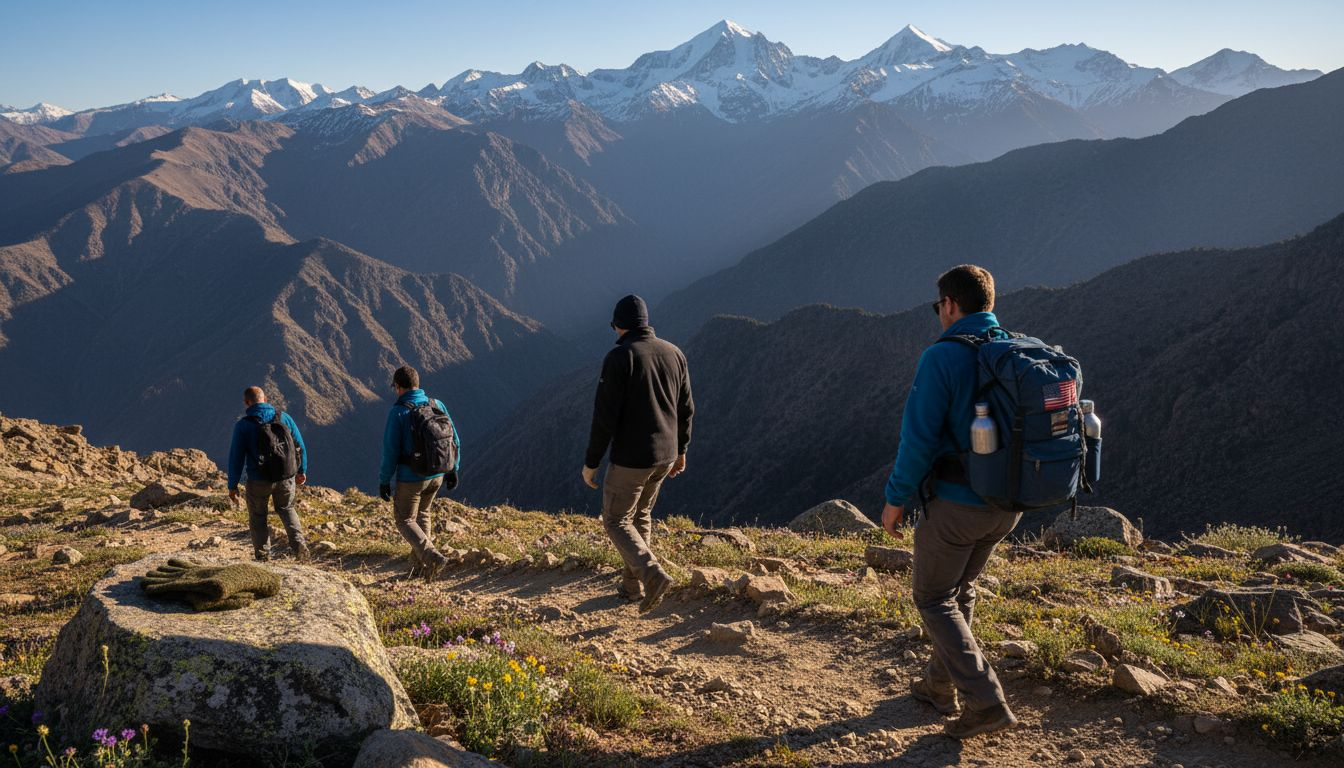
Many assume Atlas Mountains trekking is reserved for ultra-fit mountaineers willing to rough it on rugged trails. In reality, most routes welcome travelers of varied fitness levels when paired with expert guides and thoughtful planning. Luxury trekking merges authentic Berber cultural immersion with personalized services, proving comfort and adventure coexist beautifully. This guide reveals what Atlas Mountains trekking truly entails and how you can customize your journey for maximum enjoyment.
Table of Contents
- Introduction To Atlas Mountains Trekking: Natural Context
- Key Trekking Routes And Difficulty Levels
- Cultural Immersion: The Heart Of Atlas Mountains Trekking
- Luxury Accommodation And Customized Services
- Seasonal And Safety Considerations For Planning
- Common Misconceptions About Atlas Mountains Trekking
- Planning And Personalization For Luxury Travelers
- Discover Tailored Luxury Atlas Mountains Treks With Morocco Travel
- Frequently Asked Questions
Key Takeaways
| Point | Details |
|---|---|
| Elevation diversity | Routes span from 1,500 to over 4,000 meters, offering options for all fitness levels. |
| Customizable treks | Popular circuits like Toubkal adapt to your schedule, endurance, and luxury preferences. |
| Cultural richness | Berber village stays, local guides, and artisan workshops deepen authentic connections. |
| Luxury integration | Boutique riads, eco-luxury camps, and tailored services elevate comfort without sacrificing authenticity. |
| Optimal seasons | Spring and autumn provide mild weather, safer trails, and the best overall trekking conditions. |
Introduction to Atlas Mountains Trekking: Natural Context
The Atlas Mountains extend over 2,500 km across Morocco, creating a spectacular natural arena for trekkers. Elevations climb from 1,500 meters in verdant valleys to 4,167 meters at the Toubkal summit, delivering dramatic terrain shifts within a single journey. These varied landscapes include rocky plateaus, alpine meadows, and deep gorges that shape both trek difficulty and scenic rewards.
Such diversity means the Atlas range accommodates trekkers of differing abilities and interests. Some routes prioritize cultural village encounters at moderate altitudes, while others challenge climbers seeking high-altitude summits. The topography influences weather patterns, trail accessibility, and required gear, making it essential to match your route to your fitness and adventure goals.
Key features of Atlas Mountains geography include:
- Expansive mountain chain spanning northwest Africa
- Elevation zones creating microclimates and ecosystems
- Traditional Berber settlements nestled in valleys and hillsides
- Seasonal weather patterns affecting route safety and comfort
Understanding these natural elements helps you select itineraries that align with your expectations and capabilities. The geography is not an obstacle but a canvas offering countless personalized trekking experiences.
Key Trekking Routes and Difficulty Levels
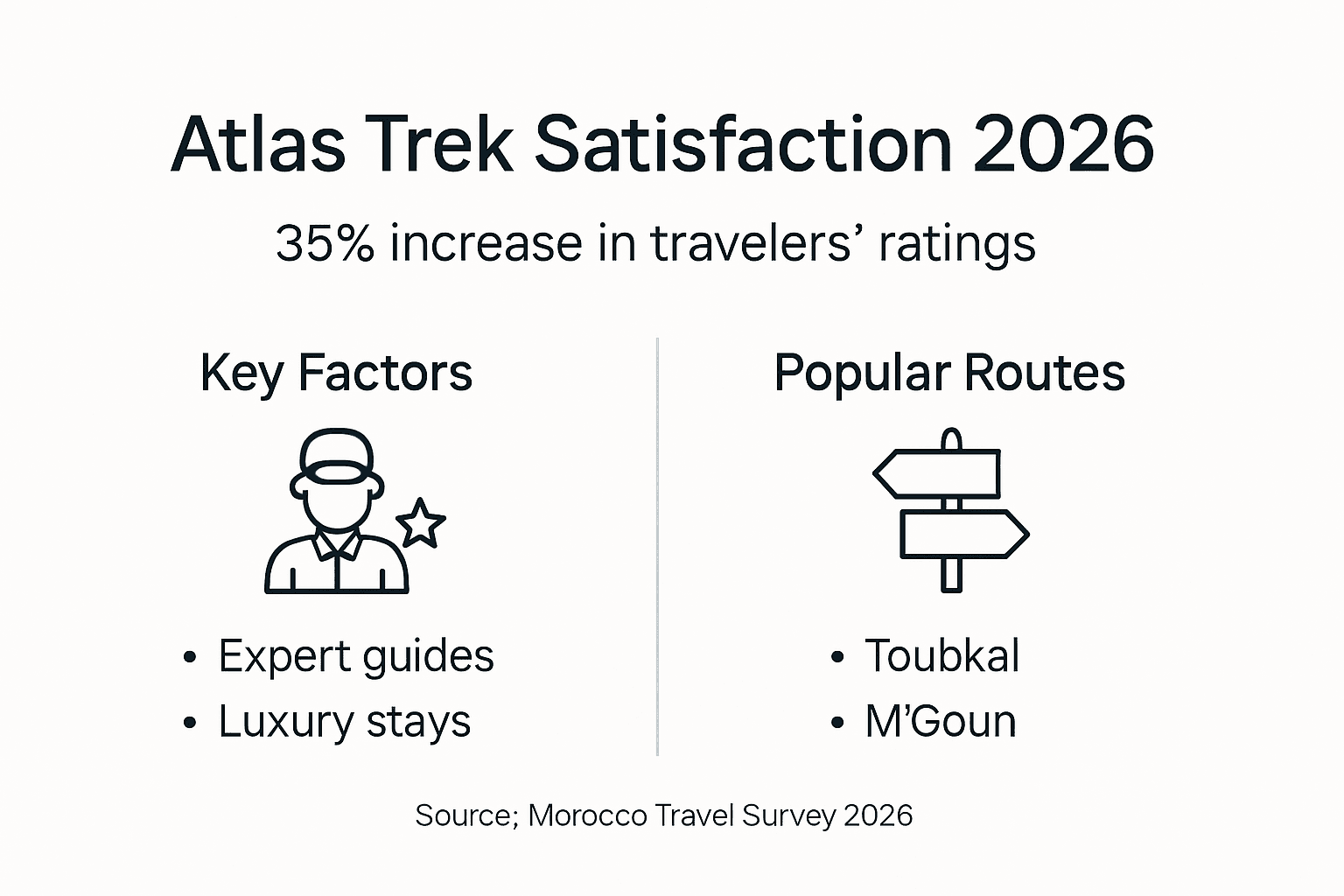
The Toubkal Circuit stands as Morocco’s most celebrated trekking route, lasting anywhere from three to ten days depending on customization. This trek involves moderate to strenuous hiking with elevations over 4,000 meters, best suited for physically fit trekkers who benefit from guided luxury tours with acclimatization support. Proper pacing and altitude adjustment dramatically reduce discomfort and enhance enjoyment.
Beyond Toubkal, the M’Goun Massif presents a quieter alternative featuring traditional villages and fewer crowds. Routes here emphasize cultural interaction over summit conquests, appealing to travelers prioritizing authentic local experiences. Both circuits offer flexible durations and difficulty adjustments tailored to your endurance and interests.
| Route | Duration | Max Elevation | Difficulty | Highlights |
|---|---|---|---|---|
| Toubkal Circuit | 3-10 days | 4,167m | Moderate to Strenuous | Summit panoramas, alpine scenery |
| M’Goun Massif | 5-8 days | 4,071m | Moderate | Berber villages, cultural immersion |
| Ait Bougmez Valley | 3-6 days | 2,500m | Easy to Moderate | Lush valleys, accessible terrain |
Customizing your route involves balancing several priorities:
- Physical fitness and altitude tolerance
- Desired cultural engagement and village visits
- Luxury accommodation preferences along the trail
- Time available for trekking and acclimatization
Pro Tip: Always build in acclimatization days when tackling high-altitude routes. Guided support from experienced local teams transforms challenging sections into manageable adventures while preserving safety. Planning with luxury tour packages ensures every logistical detail supports your comfort and success.
Cultural Immersion: The Heart of Atlas Mountains Trekking
Berber villages scattered across the Atlas valleys represent the soul of this trekking experience. Stops in these communities offer far more than rest; they provide windows into centuries-old traditions, agricultural practices, and social customs. Sharing meals prepared with local ingredients, watching artisans craft textiles, and listening to storytelling sessions create authentic connections impossible to replicate in conventional tourism.
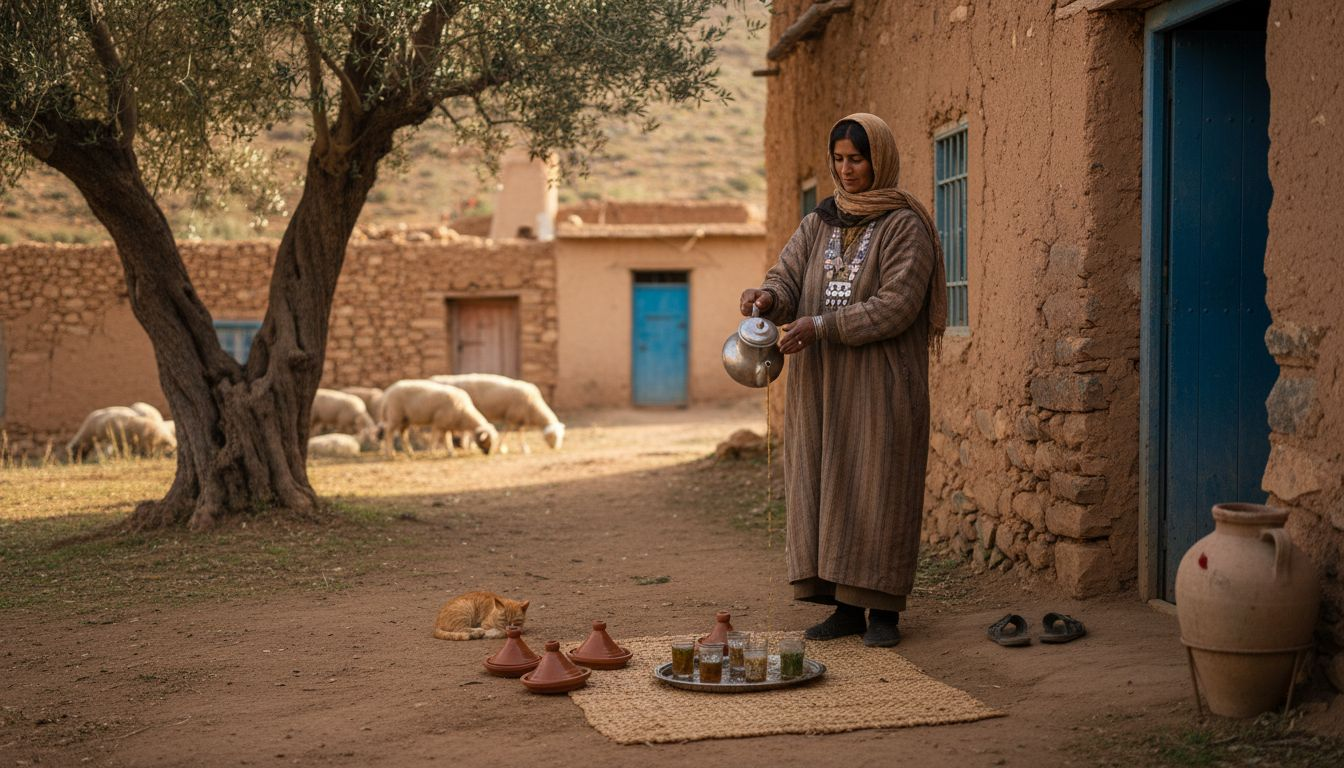
Local Berber guides elevate these encounters through their deep cultural knowledge and language skills. They facilitate respectful interactions, explain symbolic customs, and ensure your presence benefits village economies sustainably. This guidance transforms a hike into a cultural education, enriching every trail mile with human connection.
Cultural activities integrated into luxury treks include:
- Traditional cooking demonstrations using tagines and clay ovens
- Handicraft workshops with weavers and pottery makers
- Music performances featuring regional instruments and songs
- Agricultural participation during harvest seasons
Village stays allow you to sleep in family guesthouses or upgraded lodges that preserve architectural heritage while offering comfort. These accommodations balance authenticity with modern amenities, proving luxury trekking does not require isolation from local life. Instead, it funds community development and cultural preservation.
Pro Tip: Engage directly with local artisans when opportunities arise. Purchasing crafts supports families and gives you meaningful souvenirs reflecting genuine Atlas traditions. Routes through Atlas Mountains cultural tours maximize these interactions, while family-friendly cultural treks adapt activities for all ages.
Luxury Accommodation and Customized Services
Luxury trekking in the Atlas Mountains redefines what comfort means in remote terrain. Boutique riads at trailheads offer spa treatments and gourmet dining before your trek begins. Along routes, eco-luxury camps provide heated tents, quality bedding, and chef-prepared meals that exceed typical camping fare. Charming guesthouses in villages blend local architecture with upgraded bathrooms and comfortable furnishings.
Customization extends beyond lodging to every trip element. Private transfers eliminate crowded group transport, while flexible scheduling accommodates your preferred pace. Gourmet meals incorporate dietary preferences without sacrificing Moroccan flavors. Expert guides adjust daily distances based on your energy levels, ensuring each stage feels achievable rather than exhausting.
Luxury service features include:
- Personalized pre-trek consultations to design ideal itineraries
- Premium camping gear and professional porters for baggage handling
- Exclusive access to lesser-known trails and private village experiences
- 24/7 support from local teams managing logistics and emergencies
Eco-conscious amenities reflect growing demand for sustainable luxury. Solar-powered camps, waste management protocols, and partnerships with conservation groups allow you to trek responsibly. These practices protect the landscapes you explore while supporting long-term environmental health.
Luxury does not mean disconnection from authentic experience. Instead, it removes discomfort barriers that prevent full engagement with the Atlas environment and culture. Travelers return more energized and culturally enriched when comfort supports rather than distracts from adventure. Planning through luxury Morocco tours guarantees this balance.
Seasonal and Safety Considerations for Planning
Spring and autumn emerge as optimal trekking windows when temperatures stay mild and precipitation remains minimal. March through May brings blooming wildflowers and flowing streams, while September through November offers clear skies and stable weather. Summer heat can make lower elevations uncomfortable, and winter snow closes high-altitude passes, limiting route options.
Acclimatization strategies become critical when ascending above 3,000 meters. Gradual elevation gain over several days allows your body to adjust, preventing altitude sickness that ruins trips. Rest days built into itineraries serve dual purposes: physical adaptation and cultural exploration in mountain villages.
Safety protocols to prioritize include:
- Hiring certified guides familiar with terrain and emergency procedures
- Checking weather forecasts before departing and remaining flexible
- Carrying communication devices for areas without cell coverage
- Packing layered clothing to handle temperature swings
- Ensuring comprehensive travel insurance covers high-altitude trekking
Guided support proves invaluable for navigation on unmarked trails and responding to unexpected challenges. Local guides recognize weather pattern shifts, identify safe water sources, and know alternative routes when conditions demand changes. Their expertise transforms potential hazards into managed variables.
Proper preparation maximizes comfort and minimizes risks for luxury travelers accustomed to reliable services. Weather can still impact route accessibility despite planning, so building schedule flexibility prevents disappointment. The Atlas environment demands respect, but with professional guidance and seasonal awareness, it rewards trekkers with unforgettable experiences.
Common Misconceptions About Atlas Mountains Trekking
Many believe Atlas trekking requires expert mountaineering skills and extreme physical conditioning. Guided tours make most routes accessible to moderately fit individuals willing to prepare adequately. While summit attempts demand more capability, valley circuits and cultural treks welcome diverse participants when paired with appropriate support.
Another misconception suggests luxury trekking isolates travelers from authentic local culture. In reality, premium services often facilitate deeper cultural connections by handling logistics, freeing you to engage fully with communities. Comfortable accommodations and quality meals provide energy for meaningful interactions rather than exhaustion-induced withdrawal.
Frequent misunderstandings include:
- Assuming all routes involve technical climbing or dangerous exposure
- Believing trekking is only possible during narrow seasonal windows
- Thinking luxury and authenticity are mutually exclusive
- Expecting harsh conditions without modern comfort options
- Presuming independent trekking is safer or more authentic than guided journeys
Seasonal flexibility exists beyond the ideal spring and autumn periods. Experienced guides know when and where trekking remains viable during shoulder seasons. Lower-elevation routes stay accessible year-round, and winter treks offer unique snow-draped landscapes for properly equipped adventurers.
Luxury trekking in the Atlas Mountains integrates local culture and comfort without compromise, proving that elevated services enhance rather than diminish authentic travel experiences.
Clearing these misconceptions opens Atlas trekking to broader audiences who previously considered it beyond their reach. Understanding what the experience truly involves helps you make informed decisions aligned with your capabilities and desires.
Planning and Personalization for Luxury Travelers
Successful Atlas trekking begins with honest fitness assessment and adventure readiness evaluation. Consider your stamina on multi-hour hikes, comfort with rustic settings, and flexibility when plans change. This self-knowledge guides route selection and service customization, ensuring your trek matches capabilities rather than aspirations alone.
Choosing routes requires balancing landscape preferences, difficulty tolerance, and cultural engagement desires. Some travelers prioritize dramatic mountain vistas and summit achievements, while others value village interactions and artisan encounters. Neither approach is superior; personalization means aligning the journey with your specific interests.
Steps for effective trip planning:
- Assess physical fitness through preparatory hikes at your local elevation
- Research routes based on desired scenery, altitude, and cultural opportunities
- Select luxury lodging and services matching your comfort requirements
- Schedule trips during spring or autumn for optimal conditions
- Consult local experts to customize itineraries, boosting satisfaction by over 35%
- Build flexibility for weather adjustments and spontaneous cultural experiences
Working with specialized providers transforms generic itineraries into personalized adventures. Local expertise identifies hidden gems, arranges exclusive village access, and adapts daily schedules to your energy patterns. This collaboration ensures every trek element supports your goals rather than forcing you into predetermined molds.
Luxury preferences span a spectrum from glamping with full amenities to upgraded guesthouses with modern bathrooms. Defining your non-negotiable comforts versus nice-to-have features helps planners craft realistic itineraries within budget. Sustainable options increasingly allow eco-conscious luxury without sacrificing quality.
Preparing in favorable seasons maximizes safety and enjoyment, but personal schedules sometimes demand flexibility. Off-peak treks offer solitude and lower costs when planned with knowledgeable guides who adjust for seasonal challenges. Starting your planning through custom Morocco tours connects you with experts who translate preferences into actionable itineraries, while luxury trekking packages provide proven frameworks for customization. Specific Atlas mountains trekking itineraries demonstrate how diverse routes accommodate varied interests.
Discover Tailored Luxury Atlas Mountains Treks with Morocco Travel
Morocco Travel specializes in crafting private, customizable luxury trekking experiences that blend authentic cultural immersion with premium comfort. Our expert guides, boutique accommodations, and flexible itineraries adapt to your fitness level, interests, and schedule. We handle every logistical detail from airport transfers to village homestay arrangements, allowing you to focus entirely on the journey.
Our eco-conscious approach supports local communities while protecting the Atlas environment for future generations. Whether you seek summit achievements, cultural deep dives, or family-friendly adventures, we design itineraries reflecting your unique vision. Contact Morocco Travel today to start planning your personalized Atlas Mountains trek, or explore our luxury Morocco trekking tour options for inspiration.
Frequently Asked Questions
What fitness level is required for luxury treks in the Atlas Mountains?
Moderate fitness suffices for most Atlas routes when you prepare with regular walking and build endurance gradually. High-altitude circuits like Toubkal demand better conditioning and acclimatization, but valley treks welcome less experienced hikers. Guided luxury tours adapt pacing to your capabilities, making the experience accessible rather than punishing.
How do local Berber guides enhance the trekking experience?
Berber guides provide cultural insights, language translation, and navigation expertise that transform hikes into educational journeys. They facilitate respectful village interactions, explain traditional customs, and ensure your presence benefits local economies sustainably. Their knowledge of terrain, weather, and emergency protocols also guarantees safety throughout your trek.
When is the best time of year to schedule an Atlas Mountains trek?
Spring (March to May) and autumn (September to November) offer ideal conditions with mild temperatures, minimal rain, and accessible trails. Summer brings heat to lower elevations, while winter snow closes high passes. Your specific route and altitude goals influence optimal timing, so consult experts when planning.
Can luxury treks be tailored to individual preferences?
Absolutely. Luxury Atlas trekking thrives on personalization, from route selection and accommodation style to daily pacing and cultural activities. Providers customize itineraries based on your fitness, interests, dietary needs, and schedule. This flexibility ensures your trek reflects your vision rather than forcing you into generic group experiences.
What accommodations are available for luxury trekkers in this region?
Options range from boutique riads with spa services to eco-luxury camps featuring heated tents and gourmet meals. Upgraded village guesthouses blend traditional architecture with modern bathrooms and comfortable furnishings. Accommodation quality varies by route and budget, but luxury providers ensure comfort standards throughout. Explore Atlas Mountains hiking tour packages to see accommodation examples integrated into complete itineraries.
Recommended
- Morocco Hiking Tour Package – 10‑Day Atlas, Desert & Cities Trip
- Best Morocco Tours Packages | Private & Custom
- Marrakech & Desert Tour Package – 5 Days Sahara Itinerary
- 9-Day Morocco Desert Tour Package – Marrakech to Sahara


