

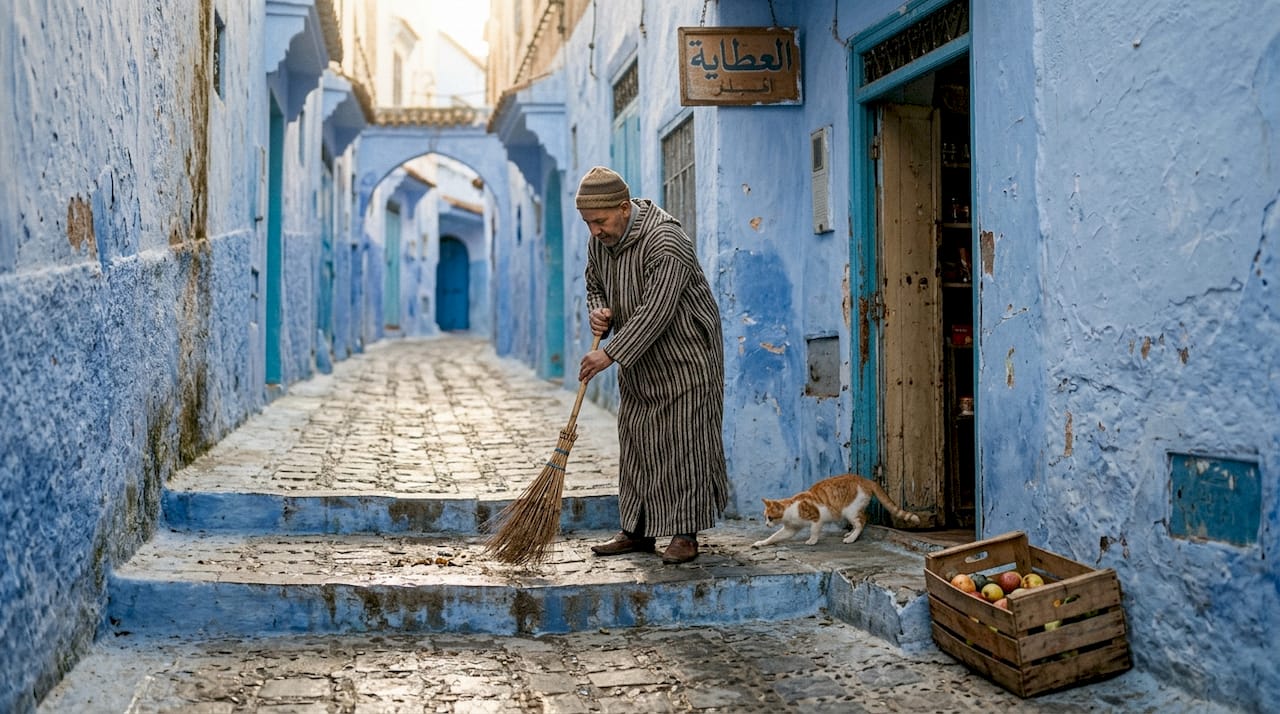
Chefchaouen’s cobalt streets and azure doorways create one of the world’s most photographed destinations, yet few travelers understand the deeper story behind this visual spectacle. Nestled in Morocco’s Rif Mountains, this Blue City offers more than Instagram-worthy backdrops. It delivers an authentic cultural immersion where centuries-old traditions meet modern luxury travel. Whether you’re seeking artisan craftsmanship, mountain adventures, or boutique riad experiences, Chefchaouen promises a retreat unlike any other Moroccan destination. This guide reveals how to access, experience, and truly appreciate Morocco’s most enchanting blue sanctuary.
Table of Contents
- What makes Chefchaouen Morocco’s Blue City?
- Decoding the blue: History, myths, and modern meaning
- How to get to Chefchaouen: Transportation for luxury travelers
- What to do in Chefchaouen: Activities, culture, and relaxation
- Experience Chefchaouen with expert guidance
- Frequently asked questions
Key Takeaways
| Point | Details |
|---|---|
| Unique blue heritage | Chefchaouen’s famous blue streets blend spiritual history with visual wonder. |
| Access via Tangier or Fes | You’ll need to arrive by bus or arrange private luxury transport for a seamless trip. |
| Rich cultural immersion | The Blue City offers artisan markets, mountain hikes, and authentic Moroccan hospitality. |
| Upscale travel options | Tailored tours and stays in boutique riads make Chefchaouen a standout destination for luxury seekers. |
What makes Chefchaouen Morocco’s Blue City?
Let’s look deeper at why people worldwide flock to Chefchaouen and how its blue identity shapes this destination.
Chefchaouen sits in the Rif Mountains at 600m elevation, founded in 1471 as a fortress against Portuguese invasions. The city’s distinctive blue wash covers nearly every building in the old medina, creating an otherworldly atmosphere that sets it apart from Morocco’s red and ochre cities. Walking through its narrow alleys feels like stepping into a living watercolor painting.
The blue tradition carries multiple origin stories. The most widely accepted explanation traces back to Sephardic Jewish refugees in the 15th-20th centuries who painted buildings blue to symbolize the sky and heaven. Other theories suggest practical motivations:
- Mosquito repellent properties of the blue lime wash
- Cooling effect during hot summer months
- Representation of water in an arid landscape
- Tourism promotion in recent decades
No single explanation captures the full truth. The blue evolved organically through cultural exchange, practical needs, and aesthetic preferences. Today, residents repaint their homes annually, maintaining a tradition that has become central to the city’s identity and economy.
“The blue isn’t just decoration. It’s a living tradition that connects us to our ancestors and welcomes travelers into our story.” — Local medina resident
This commitment to preserving the blue aesthetic shapes your visit profoundly. You’ll find photo opportunities at every turn, but you’ll also discover how color influences mood, pace, and cultural interaction. The blue creates a calming atmosphere that encourages slow exploration, making Chefchaouen ideal for travelers seeking respite from Morocco’s busier cultural cities.
Decoding the blue: History, myths, and modern meaning
Now that you understand the origin stories, you might ask: what do locals and experts really believe about this sea of blue? Let’s break down the myths and evolving views.
The spiritual interpretation remains strongest among older residents. Jewish symbolism merged with Islamic traditions over centuries, creating a unique cultural blend. Blue represents divine protection, spiritual purity, and connection to the heavens in both traditions. This dual heritage makes Chefchaouen particularly meaningful for travelers interested in Morocco’s religious diversity.
Practical explanations hold equal weight. The lime-based blue paint does repel certain insects and reflects heat more effectively than darker colors. Berber communities in the Rif Mountains have long used natural pigments for functional purposes, and the blue tradition fits this pragmatic approach to architecture.
Modern tourism has complicated the narrative. As Chefchaouen gained international fame, the blue became a marketing tool. Some newer buildings adopt the color purely for aesthetic appeal rather than cultural significance. This creates tension between preservation and commercialization.
Here’s how different perspectives shape the blue tradition:
- Traditional view: Blue as sacred symbol connecting earth to heaven
- Practical view: Blue as functional solution for climate and pests
- Artistic view: Blue as aesthetic choice creating visual harmony
- Commercial view: Blue as tourism asset driving economic growth
- Contemporary view: Blue as evolving tradition balancing heritage and progress
| Perspective | Primary Motivation | Impact on Visitors |
|---|---|---|
| Spiritual/Religious | Divine connection | Deeper cultural appreciation |
| Practical/Functional | Climate control | Understanding local wisdom |
| Aesthetic/Artistic | Visual beauty | Photography opportunities |
| Tourism/Commercial | Economic benefit | Accessible experiences |
These competing interpretations don’t diminish the blue’s power. They enrich it. You can appreciate Chefchaouen on multiple levels, from spiritual symbolism to practical ingenuity to pure visual pleasure. The city rewards travelers who look beyond the surface to understand how tradition adapts without losing its essence.
Pro Tip: Visit early morning when residents repaint their homes. You’ll witness the tradition in action and capture photos with fresh, vibrant blue tones before tourist crowds arrive.
The blue’s meaning continues evolving. Younger generations balance respect for heritage with contemporary expression, sometimes adding modern art or subtle color variations. This living tradition makes Chefchaouen more dynamic than a preserved museum piece, offering unique luxury experiences that connect past and present.
How to get to Chefchaouen: Transportation for luxury travelers
To turn inspiration into reality, you’ll need to actually reach Chefchaouen. Let’s clarify the simplest ways for discerning travelers to access the Blue City.
Chefchaouen lacks direct air or rail connections. The city has no airport or train station, requiring ground transportation from major hubs. This isolation preserves its charm but demands planning.
Your two primary entry points are Tangier and Fes. Tangier offers closer access at 2.5 hours by road, while Fes provides better connections to other Moroccan destinations at 4 hours away. Most international travelers fly into Tangier Ibn Battouta Airport or Fes-Saïss Airport, then continue overland.
| Departure City | Distance | Travel Time | Best For |
|---|---|---|---|
| Tangier | 112 km | 2.5 hours | Northern Morocco itineraries |
| Fes | 200 km | 4 hours | Imperial cities circuit |
| Casablanca | 350 km | 5.5 hours | International arrivals |
| Marrakech | 560 km | 8+ hours | Southern Morocco combinations |
Budget travelers often choose CTM buses from Tangier (65 MAD or $6.50) or Fes. These buses run reliably but offer limited comfort and fixed schedules. You’ll share space with locals and experience authentic Moroccan transport, but expect basic amenities and potential delays.
Private transfers transform the journey into part of your luxury experience. A dedicated driver provides climate-controlled comfort, flexible timing, and scenic stops along the route. You can pause at viewpoints, visit roadside cooperatives, or adjust your schedule without constraint. Costs range from $80-150 depending on departure city and vehicle class.
Travel Time Comparison:
- Standard bus: 2.5-4 hours with fixed stops
- Private transfer: 2-3.5 hours with custom routing
- Shared taxi: 2-3 hours but cramped conditions
Pro Tip: Book private transfers through luxury trip planning services that include English-speaking drivers and premium vehicles. The cost difference is minimal when split among couples or small groups, but the comfort gain is substantial.
For travelers combining Chefchaouen with broader Morocco exploration, consider multi-day adventure travel packages that integrate transportation, accommodations, and guided experiences. These eliminate logistical stress while maximizing your time in each destination.
The journey itself offers rewards. The road from Tangier winds through the Rif Mountains with stunning valley views and traditional Berber villages. From Fes, you’ll traverse diverse landscapes from Middle Atlas foothills to mountain passes. A private driver can explain regional culture and recommend authentic stops that buses bypass.
Custom Morocco vacation packages often include Chefchaouen as a northern circuit highlight, pairing it with Tangier’s coastal sophistication or Fes’s imperial grandeur. This approach maximizes the value of your ground transportation investment.
What to do in Chefchaouen: Activities, culture, and relaxation
Once you arrive, the Blue City offers much more than stunning photos. It’s a place to immerse yourself in culture and luxury. Here are the not-to-miss highlights.
Explore the medina’s blue labyrinth
The old medina forms the heart of Chefchaouen’s appeal. Unlike larger Moroccan medinas, this compact quarter allows relaxed exploration without overwhelming crowds or aggressive vendors. You’ll wander narrow streets where every corner reveals new blue gradients, from powder pastels to deep indigos.
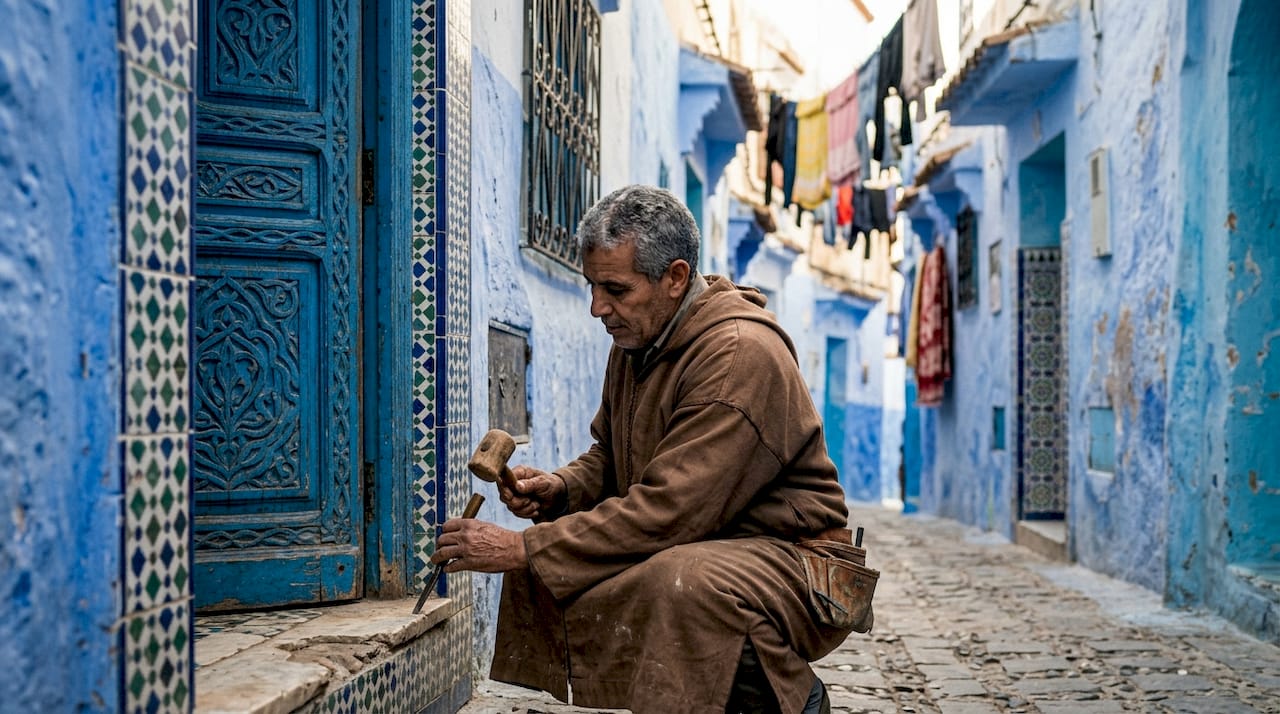
Artisan workshops line the medina, offering handwoven textiles, leather goods, and traditional pottery. Chefchaouen specializes in wool products, with many families maintaining centuries-old weaving techniques. You can watch craftspeople work and purchase directly from makers, ensuring authentic quality and fair prices.
The medina’s architecture blends Andalusian and Moroccan styles, with ornate doorways, wrought-iron windows, and hidden courtyards. Plaza Uta el-Hammam serves as the social center, surrounded by cafes where you can sip mint tea while observing daily life. The adjacent Kasbah offers museum exhibits and garden views.
Hike the Rif Mountains
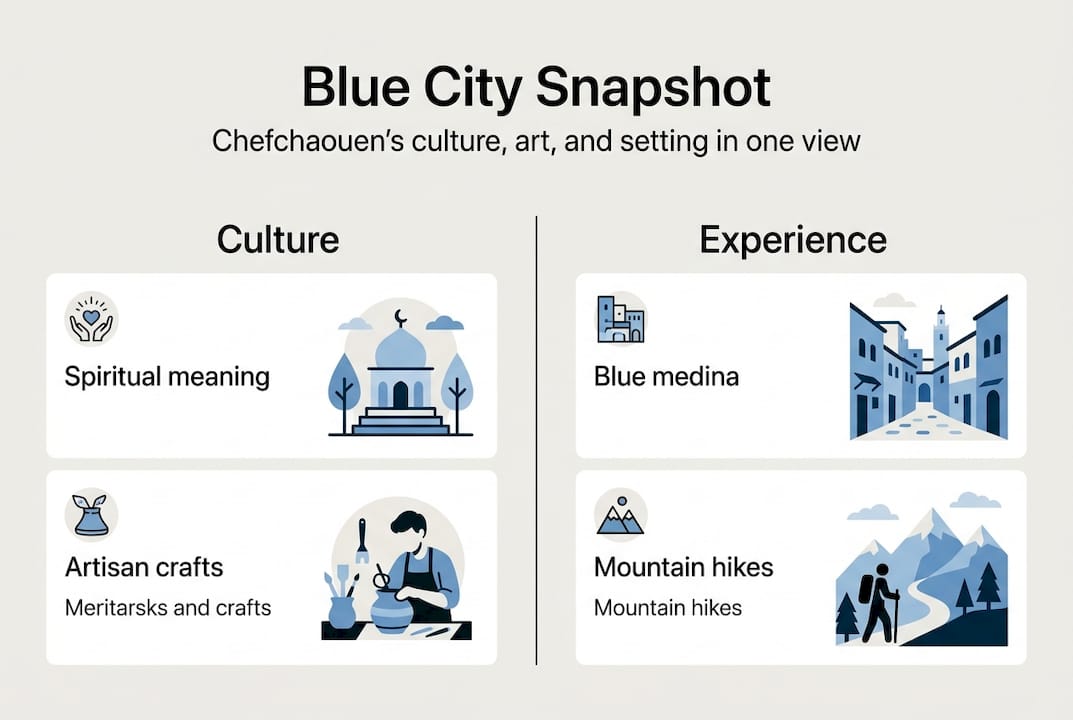
Chefchaouen’s mountain setting provides exceptional hiking opportunities. The nearby Talassemtane National Park features cedar forests, waterfalls, and panoramic viewpoints. Trails range from easy walks to challenging full-day treks.
Popular routes include:
- Ras el-Maa waterfall: 15-minute walk from medina
- Jebel el-Kelaa summit: 3-hour round trip with city views
- Akchour waterfalls: Full-day excursion to dramatic cascades
- Spanish Mosque: Sunset hike overlooking the blue medina
Guided treks add cultural depth, with local experts explaining mountain ecology, Berber traditions, and medicinal plants. Spring brings wildflowers, while autumn offers crisp air and clear visibility.
Indulge in luxury accommodations
Chefchaouen’s boutique riads deliver intimate luxury within the medina’s historic fabric. These restored traditional homes feature Moroccan tilework, carved cedar ceilings, and rooftop terraces with mountain views. Many offer private hammams, gourmet dining, and personalized concierge services.
Top riads provide experiences beyond standard hotels. You might enjoy cooking classes with resident chefs, private yoga sessions on panoramic terraces, or guided medina tours with knowledgeable owners. The small scale ensures attentive service and authentic cultural immersion.
Traditional hammams offer another layer of relaxation. These Moroccan bathhouses combine steam rooms, exfoliation treatments, and massage in centuries-old rituals. Luxury versions provide private sessions with premium products and serene atmospheres.
Savor local cuisine
Chefchaouen’s food scene reflects its mountain location and cultural heritage. Local specialties include goat cheese from surrounding farms, honey harvested in the Rif, and tagines featuring regional vegetables. The city’s Andalusian influence appears in pastries and spice blends.
Restaurants range from family-run spots serving home-style cooking to upscale venues with rooftop dining and wine selections. Many riads offer multi-course dinners showcasing Moroccan culinary traditions with modern presentations.
Pro Tip: Book cultural and adventure tours that combine Chefchaouen’s medina exploration with mountain activities and culinary experiences for a comprehensive introduction to the region.
Beyond standard attractions, seek out authentic experiences. Attend a local music performance, visit a women’s weaving cooperative, or join a bread-making workshop. These interactions reveal the living culture behind the blue facades.
Unforgettable luxury tours often include exclusive access to artisan workshops, private museum viewings, or meals with local families. These curated experiences transform sightseeing into genuine cultural exchange.
The city’s relaxed pace encourages lingering. Unlike Morocco’s imperial cities, Chefchaouen rewards slow travel. Spend mornings photographing blue streets, afternoons hiking mountain trails, and evenings savoring rooftop dinners. This rhythm aligns perfectly with luxury travel’s emphasis on depth over checklist tourism.
For travelers seeking unique activities in Morocco, Chefchaouen delivers experiences unavailable elsewhere. The combination of distinctive architecture, mountain landscapes, and preserved traditions creates a destination that satisfies both adventure and cultural curiosity.
Experience Chefchaouen with expert guidance
Planning a Chefchaouen visit involves coordinating transportation, accommodations, activities, and cultural experiences. While independent travel is possible, working with specialists transforms logistics into seamless luxury.
Moroccotravel1.com designs customized itineraries that integrate Chefchaouen into broader Morocco explorations. Our team arranges private transfers from Tangier or Fes, books boutique riads matching your preferences, and schedules guided experiences with local experts. We handle details like mountain trek permits, cooking class reservations, and hammam appointments.
Our approach emphasizes authentic cultural immersion alongside comfort. You’ll stay in carefully selected riads offering genuine Moroccan hospitality, dine at restaurants serving traditional cuisine with quality ingredients, and explore with guides who share deep knowledge of local history and traditions. We balance structured activities with free time for spontaneous discovery.
Whether you’re planning a romantic getaway, family adventure, or solo cultural journey, we create experiences reflecting your interests and travel style. Our 24/7 support ensures smooth execution, while our local partnerships provide access to exclusive opportunities unavailable to independent travelers.
Frequently asked questions
Why is Chefchaouen painted blue?
The most common explanation traces to Jewish refugees symbolizing sky and heaven, though practical reasons like cooling effects and mosquito repellent also contributed. The tradition evolved through multiple influences over centuries.
How do I get to Chefchaouen from Tangier or Fes?
You can take a CTM bus taking 2.5-4 hours or arrange private transfers for greater comfort and flexibility. Private options cost $80-150 but provide climate control and custom routing.
What are the best luxury accommodations in Chefchaouen?
Boutique riads within the medina offer authentic Moroccan design, rooftop terraces with mountain views, and personalized service. Many feature private hammams, gourmet dining, and cultural activities like cooking classes.
Is Chefchaouen good for family travel?
Yes, the city’s compact medina, safe atmosphere, and mix of cultural and outdoor activities suit families well. Hiking trails accommodate various fitness levels, and artisan workshops engage children in hands-on learning.
What is the best time of year to visit Chefchaouen?
Spring (March through May) and autumn (September through November) offer comfortable temperatures and fewer crowds. Summer brings heat but vibrant street life, while winter provides solitude and occasional mountain snow.


