

Morocco welcomed over 20 million visitors in 2025, with Marrakech attracting 3 million tourists alone. Yet many travelers still wonder which Moroccan city best matches their interests. Each urban center offers distinct experiences, from ancient medinas to modern coastal hubs. Understanding what makes Marrakech, Fez, Casablanca, and Rabat unique helps you plan a trip that delivers exactly what you seek. This guide breaks down Morocco’s top cities, comparing their cultural offerings, attractions, and visitor experiences to help you choose your ideal destination.
Table of Contents
- Top Moroccan Cities To Explore
- Comparing Moroccan Cities: Culture, Attractions, And Visitor Experience
- Planning Your Moroccan City Itinerary: Practical Tips And Considerations
- Explore Morocco With Expert-Guided Tours
- FAQ
Key takeaways
| Point | Details |
|---|---|
| Tourism leaders | Marrakech and Fez dominate with 3 million and 1.2 million annual visitors respectively, offering rich cultural immersion |
| Coastal giant | Casablanca holds Morocco’s largest population and features the world’s third largest mosque open to non-Muslims |
| Political heart | Rabat serves as Morocco’s capital with UNESCO World Heritage sites and growing cultural event programming |
| Diverse experiences | Each city provides unique attractions from bustling souks to historic architecture, catering to different traveler preferences |
Top Moroccan cities to explore
Morocco’s urban landscape offers travelers a remarkable variety of experiences across its most visited cities. Each destination presents its own character, from ancient trading posts to modern metropolitan centers. Understanding what each city offers helps you craft an itinerary that matches your travel style.
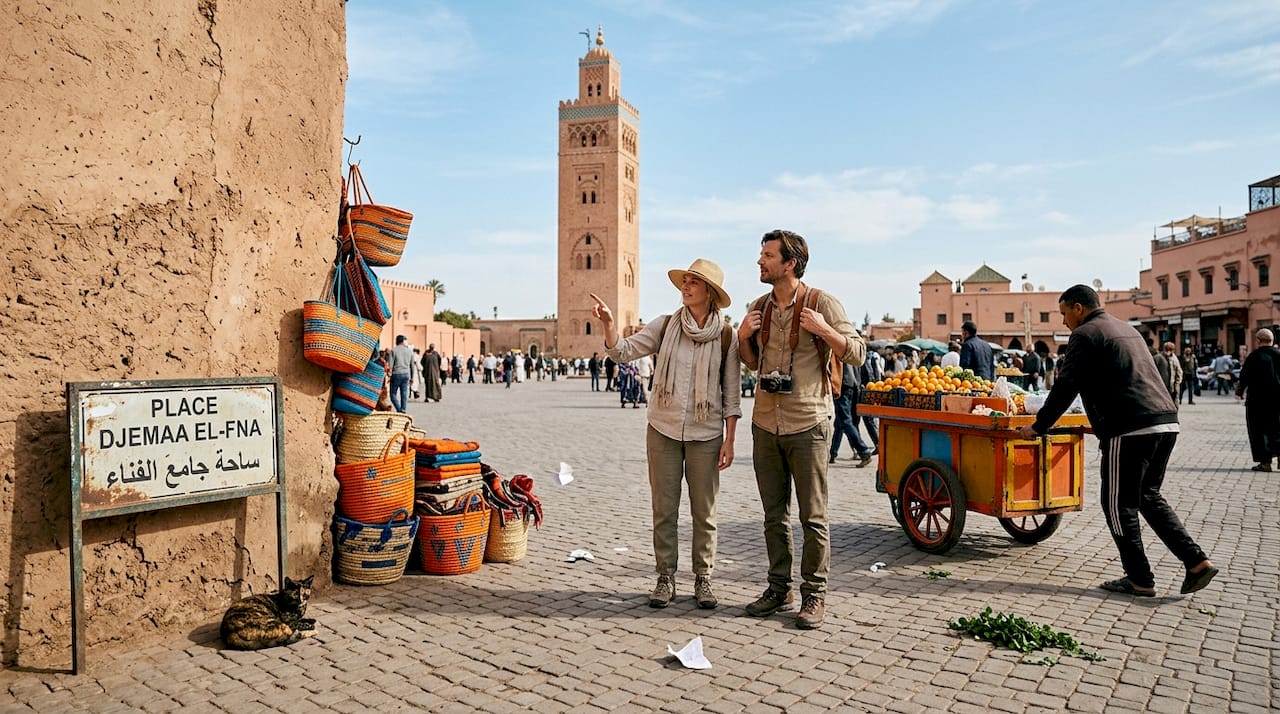
Marrakech stands as Morocco’s undisputed tourism champion. The city attracted 3 million visitors in 2023, cementing its position as the gateway to Moroccan culture for most international travelers. The famous Jemaa el-Fna square pulses with storytellers, musicians, and food vendors from dawn until late evening. Beyond the main square, the medina’s labyrinthine alleys reveal centuries-old riads converted into boutique hotels, offering authentic stays within historic walls. The Marrakech travel experience includes world-class gardens like Jardin Majorelle, vibrant souks organized by craft, and proximity to the Atlas Mountains for day trips.
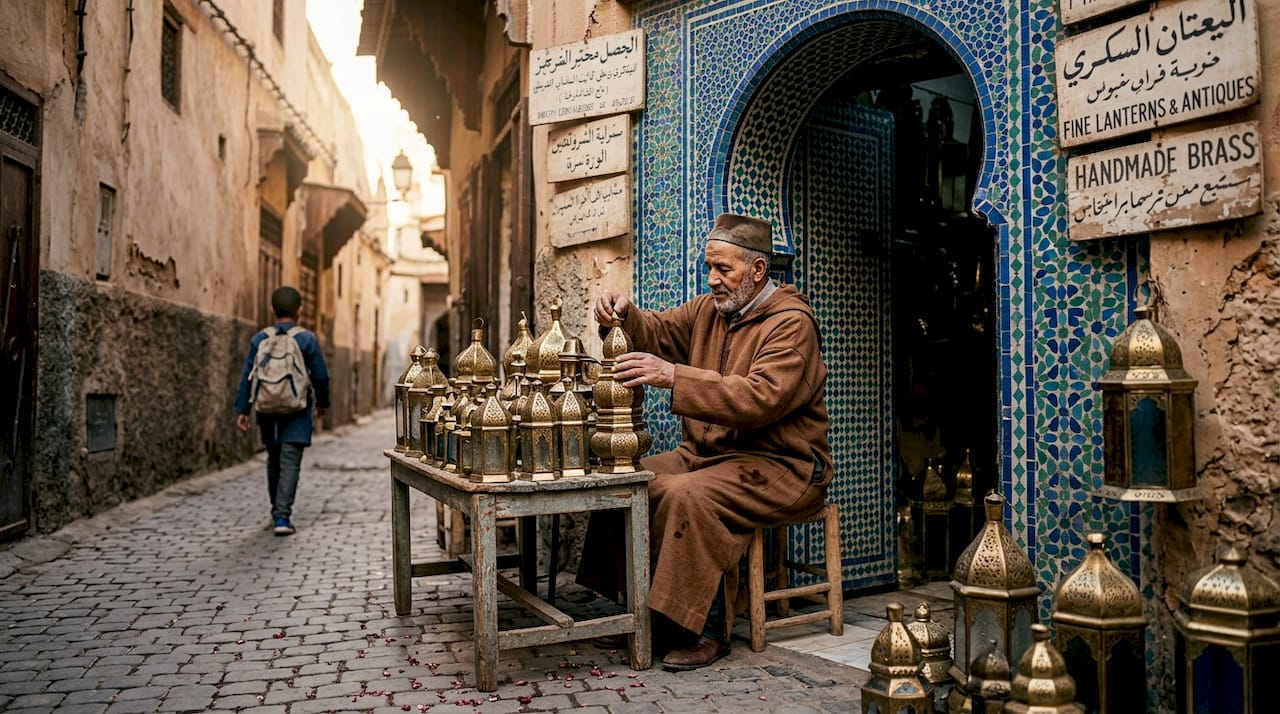
Fez represents Morocco’s spiritual and intellectual heritage. The Fez Medina welcomed 1.2 million tourists, drawn by its reputation as the world’s largest car-free urban zone and best-preserved medieval city in the Arab world. Walking through Fez el-Bali feels like stepping back 800 years. Artisans still practice traditional crafts in the same workshops their ancestors used, from leather tanning at the famous Chouara Tannery to intricate zellige tile work. The city’s medersas (Islamic schools) showcase stunning architecture, while the University of Al Quaraouiyine, founded in 859 CE, holds the title of world’s oldest continuously operating educational institution.
Casablanca offers a completely different vibe as Morocco’s economic powerhouse. With over 3.7 million residents, it’s the country’s largest city and main port. The Hassan II Mosque ranks as the world’s third largest and stands as one of few Moroccan mosques welcoming non-Muslim visitors. The mosque’s minaret rises 210 meters, visible from nearly every point in the city. Beyond religious architecture, Casablanca showcases impressive Art Deco buildings from the French colonial period, concentrated in the downtown area. The Corniche beachfront district provides modern restaurants, beach clubs, and ocean views, creating a cosmopolitan atmosphere distinct from inland cities.
Rabat balances political importance with cultural richness. As Morocco’s capital, it hosts government institutions and foreign embassies, but also preserves significant historical sites. The Kasbah of the Udayas, perched above the Bou Regreg River, earned UNESCO World Heritage status for its Andalusian gardens and distinctive blue and white painted streets. The Hassan Tower and Mausoleum of Mohammed V represent iconic landmarks, while the Chellah ruins reveal layers of Phoenician, Roman, and Islamic history on one site. Rabat’s cultural calendar includes expanded museum programming and music festivals, positioning it as an emerging destination for travelers seeking unique luxury experiences in Morocco.
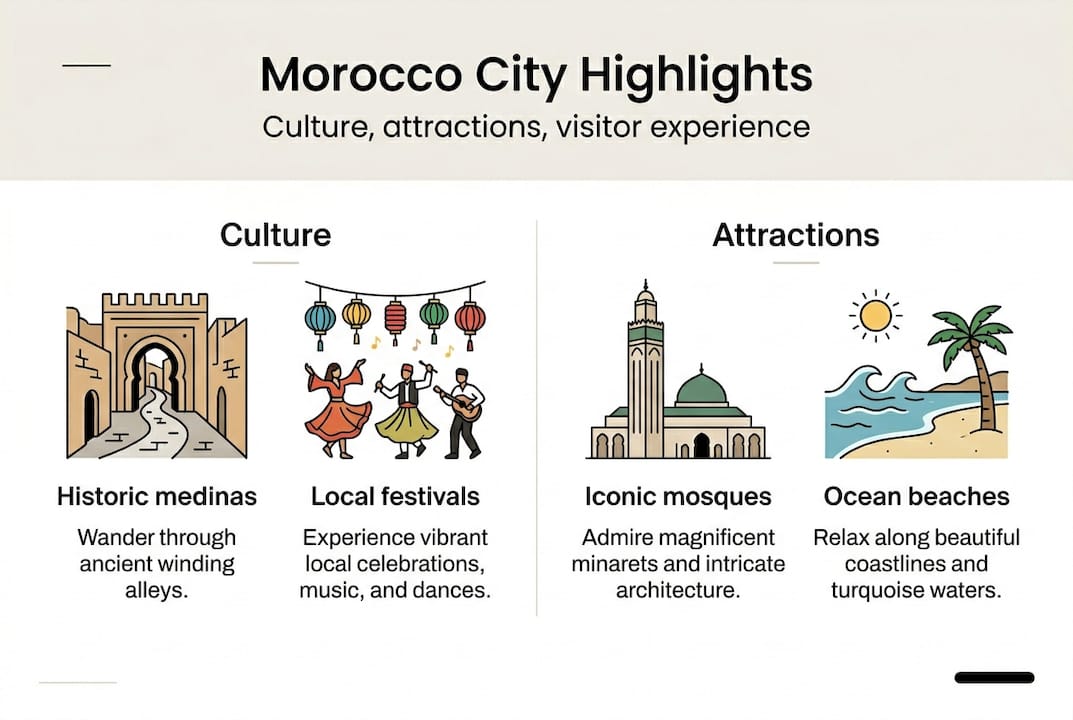
Comparing Moroccan cities: culture, attractions, and visitor experience
Choosing between Morocco’s major cities becomes easier when you understand how they differ in atmosphere, offerings, and visitor experience. A direct comparison reveals which destination aligns with your travel priorities.
| City | Population | Main Attractions | Visitor Vibe | Best For |
|---|---|---|---|---|
| Marrakech | 1.3M | Jemaa el-Fna, Majorelle Garden, souks, riads | Energetic, tourist-friendly, bustling | First-time visitors, culture seekers, shoppers |
| Fez | 1.2M | Fez el-Bali medina, tanneries, medersas | Traditional, authentic, less touristy | History buffs, craft enthusiasts, slow travel |
| Casablanca | 3.7M | Hassan II Mosque, Art Deco architecture, Corniche | Modern, cosmopolitan, business-oriented | Architecture lovers, beach seekers, urban explorers |
| Rabat | 580K | Kasbah Udayas, Hassan Tower, Chellah | Relaxed, clean, politically significant | Cultural events, coastal walks, UNESCO sites |
Cultural immersion opportunities vary significantly across these cities. Marrakech offers the most accessible entry point, with countless riads in the medina providing authentic accommodation while maintaining modern comforts. The city’s tourism infrastructure means English speakers can navigate easily, though this convenience comes with more aggressive vendor approaches in tourist zones. Fez demands more patience but rewards it with deeper authenticity. Fewer tourists mean more genuine interactions with locals, and the medina’s complexity requires either a guide or willingness to get lost and discover hidden workshops.
Casablanca’s Hassan II Mosque welcomes non-Muslims for guided tours, offering rare access to Islamic sacred space and stunning architecture. The experience differs markedly from the ancient medinas, with air-conditioned interiors, marble floors, and modern amenities contrasting with the rough-hewn authenticity of Fez or Marrakech’s old quarters. The mosque’s seaside location creates dramatic photo opportunities, especially at sunset when the building’s details catch golden light.
Rabat provides a middle ground between Marrakech’s tourist intensity and Fez’s traditional insularity. The capital’s wide boulevards, maintained gardens, and lower tourist numbers create a more relaxed exploration pace. The Kasbah of the Udayas offers medina-style wandering without the commercial pressure, while the modern Ville Nouvelle district features contemporary cafes and restaurants. This balance makes Rabat particularly appealing for travelers seeking Moroccan culture without overwhelming sensory input.
Pro Tip: Prioritize staying within the medina walls in Marrakech or Fez rather than modern hotel districts. Waking to the call to prayer, hearing neighborhood sounds, and experiencing the medina’s rhythm from dawn provides cultural immersion impossible from outside accommodations. Most quality riads offer rooftop terraces where you can escape crowds while remaining in the historic heart.
Accommodation styles reflect each city’s character. Marrakech boasts the widest riad selection, from budget options to luxury properties featured in best Morocco destinations guides. Fez’s riads tend toward more traditional decor and family-run operations. Casablanca leans heavily toward international hotel chains and modern apartments, with fewer traditional options. Rabat offers a mix, including beachfront hotels along the Atlantic coast that provide a different Moroccan experience entirely.
Transportation within cities varies dramatically. Marrakech and Fez require walking through car-free medinas, with occasional donkey carts the only vehicles. Casablanca and Rabat feature modern road networks, taxis, and public transit. The Morocco travel experience increasingly includes app-based ride services in larger cities, though these remain less reliable than in Western countries.
Planning your Moroccan city itinerary: practical tips and considerations
Successful Moroccan city exploration requires strategic planning around timing, logistics, and cultural awareness. These practical steps help you maximize your urban adventures while respecting local customs.
- Determine your city combination and duration. First-time visitors typically allocate 3-4 days for Marrakech, 2-3 days for Fez, and 1-2 days each for Casablanca and Rabat. This allows proper exploration without rushing. Consider your total trip length and whether you’re including desert or mountain regions. A 10-day trip might cover two major cities plus one secondary destination, while two weeks enables a comprehensive four-city tour.
- Book accommodations strategically by neighborhood. Reserve medina riads in Marrakech and Fez at least two months ahead for peak season (March through May, September through November). Request detailed directions since GPS often fails in medina alleys. For Casablanca, stay near the Corniche or downtown Art Deco district for walkable access to main sites. Rabat visitors should consider the Agdal or Hassan neighborhoods for proximity to major attractions.
- Arrange inter-city transportation in advance. Morocco’s train system connects Casablanca, Rabat, and Fez efficiently, with the high-speed Al Boraq line cutting travel time significantly. Book first-class tickets online for comfort and reserved seating. Reaching Marrakech from northern cities requires either the conventional train (longer but scenic) or domestic flights. Private drivers offer flexibility but cost considerably more.
- Plan around prayer times and Friday schedules. Most shops and restaurants close during Friday midday prayers, particularly in traditional cities like Fez. Museums and government buildings often have reduced Friday hours. The five daily prayer times don’t typically disrupt tourism, but understanding this rhythm helps you appreciate the cultural context. Ramadan requires special consideration, as restaurant hours shift and some establishments close during daylight.
- Prepare for medina navigation challenges. Download offline maps before entering Fez or Marrakech medinas, though be aware that GPS accuracy drops significantly in narrow covered alleys. Many visitors hire guides for their first medina day, then explore independently after gaining orientation. Agree on guide fees upfront and clarify whether the tour includes shop visits (which often involve commission pressure).
- Respect cultural norms in dress and behavior. While Marrakech and Casablanca show more Western influence, modest dress remains appropriate, especially in Fez and Rabat. Women should cover shoulders and avoid short skirts or shorts. Men should wear long pants in religious sites. Always ask permission before photographing people, particularly in traditional areas where residents may object to becoming tourist subjects.
Pro Tip: Book popular experiences early due to Morocco’s tourism boom to 20 million visitors in 2025, exceeding projections. Cooking classes in Marrakech, hammam experiences, and guided tours of Hassan II Mosque fill quickly during peak months. Reserve these at least three weeks ahead to secure your preferred dates and times.
Money matters require attention across different cities. Marrakech’s tourist zones accept cards widely, but medina shops and restaurants often demand cash. Fez remains even more cash-dependent. Casablanca and Rabat offer more card acceptance and reliable ATMs. Carry small denominations for tips, taxis, and market purchases. Bargaining remains standard in souks but not in fixed-price shops or restaurants.
Health and safety considerations stay consistent across cities. Tap water isn’t potable, so stick to bottled water. Street food in Marrakech’s Jemaa el-Fna is generally safe if you choose busy stalls with high turnover. Petty theft occurs in crowded tourist areas, so secure valuables and avoid displaying expensive jewelry or electronics. Morocco’s major cities maintain good tourist safety records, but standard urban precautions apply.
Language preparation helps, though English proficiency varies. Marrakech’s tourist sector speaks English widely. Fez requires more French or Arabic. Casablanca’s business orientation means more English speakers than you’d expect. Learning basic Arabic or French phrases shows respect and often results in warmer interactions. Key phrases include greetings, thank you, and price inquiries.
Timing your visit around Morocco’s best travel seasons significantly impacts your experience. Spring (March-May) offers perfect weather across all cities, with blooming gardens and comfortable temperatures. Fall (September-November) provides similar conditions with the added benefit of harvest season in markets. Summer heat makes Marrakech and Fez challenging, though Rabat and Casablanca’s coastal locations moderate temperatures. Winter brings pleasant daytime weather but cold nights, particularly in inland cities.
Explore Morocco with expert-guided tours
Navigating Morocco’s diverse cities becomes effortless when you partner with experienced local guides who understand both the destinations and your travel style. MoroccoTravel1 specializes in crafting itineraries that balance iconic attractions with hidden gems, ensuring you experience authentic Moroccan culture without the stress of independent planning. Our best Morocco tour packages include accommodations in carefully selected riads, private transportation between cities, and expert guides who bring history and culture to life.
Whether you’re drawn to a comprehensive 14-day Morocco grand tour covering all major cities plus desert and mountain regions, or prefer focused urban exploration with a 10-day hiking tour that combines city culture with Atlas Mountain treks, our packages adapt to your interests and pace. We handle logistics, from airport transfers to restaurant reservations, while you focus on experiencing Morocco’s magic. Our local expertise means access to experiences unavailable to independent travelers, from private artisan workshops to exclusive cultural events. Choosing the right Morocco travel package ensures your journey delivers memories that last a lifetime.
FAQ
What is the best city to visit in Morocco for first-time travelers?
Marrakech serves as the ideal introduction to Morocco for first-time visitors. The city combines accessibility with authentic culture, offering extensive tourist infrastructure while maintaining traditional character. Its central location provides easy access to desert, mountain, and coastal excursions. Fez and Rabat make excellent second destinations once you’ve acclimated to Moroccan rhythms and customs.
When is the best time to visit Moroccan cities for pleasant weather?
Spring (March through May) and fall (September through November) deliver ideal conditions across all Moroccan cities, with comfortable temperatures and minimal rainfall. These seasons avoid summer’s intense heat in Marrakech and Fez, as well as winter’s chilly nights. Rabat and Casablanca enjoy mild coastal climates year-round, making them attractive options during shoulder seasons when inland cities experience temperature extremes.
Are the major Moroccan cities safe for tourists?
Yes, Marrakech, Casablanca, Fez, and Rabat maintain strong safety records with visible tourist police and security measures in popular areas. These cities welcome millions of international visitors annually without significant incidents. Standard travel precautions apply, particularly in crowded medinas and transport hubs where pickpocketing can occur. Avoid displaying expensive items and stay aware of your surroundings in busy areas.
How many days should I spend in each Moroccan city?
Allocate 3-4 days for Marrakech to explore the medina, gardens, and take day trips to nearby Atlas Mountains or Essaouira. Fez deserves 2-3 days to properly navigate its complex medina and visit artisan workshops. Casablanca and Rabat each warrant 1-2 days, sufficient to cover main attractions without feeling rushed. Adjust based on your pace and whether you’re combining cities with desert or mountain regions.
Do I need a guide to explore Moroccan city medinas?
Guides prove helpful but aren’t essential, particularly in Marrakech where signage and tourist infrastructure support independent exploration. Fez’s medina complexity makes a guide valuable for at least your first day to establish orientation and understand the layout. Many travelers hire guides initially, then explore independently once comfortable. Always use official guides with credentials to ensure quality and fair pricing.


