

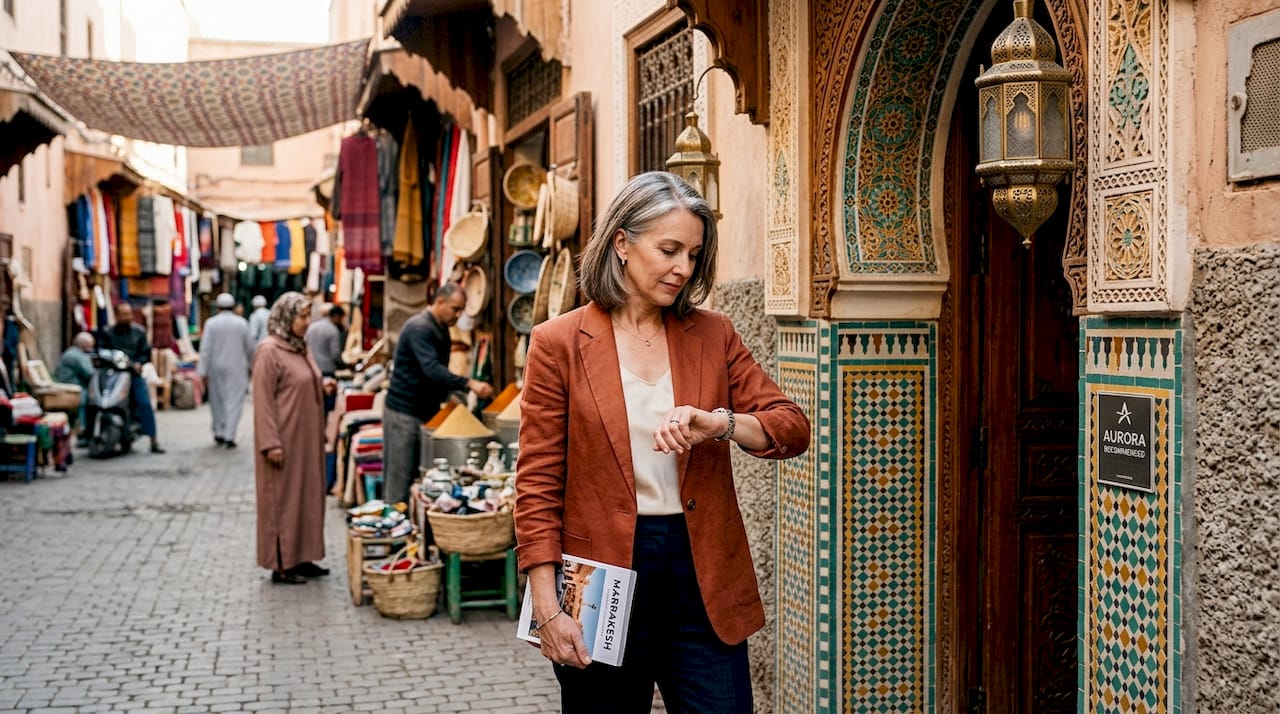
- Morocco offers a rich cultural experience rooted in its vibrant cities and living traditions rather than isolated monuments.
- Navigating UNESCO sites, festivals, and Ramadan with respect and cultural engagement enhances travel authenticity.
- Supporting community tourism and expert-guided itineraries ensures a meaningful exploration of Morocco’s dynamic heritage.
Morocco does not reveal itself the way most destinations do. For Morocco history and culture travel, the real experience lives not in isolated monuments but in the layered, breathing fabric of cities where a 12th-century madrasa sits beside a street vendor selling saffron and a musician is rehearsing Gnaoua trance music on the steps below. This guide cuts through the surface and shows travelers how to read Morocco’s cultural depth, plan around its complex festival calendar, navigate sacred periods like Ramadan with real grace, and access modern arts venues that signal a nation confidently reshaping its global identity.
Table of Contents
- Exploring Morocco’s UNESCO heritage sites: More than monuments
- Navigating Morocco’s vibrant festivals and living cultural calendar
- Cultural etiquette and travel during Ramadan in Morocco
- Experience Morocco’s modern cultural renaissance: Royal Theatre and performing arts
- Reimagining Morocco history and culture travel for the explorer
- Plan your Morocco history and culture travel with expert guides
- Frequently asked questions
Key Takeaways
| Point | Details |
|---|---|
| Morocco’s heritage is layered | UNESCO sites like Marrakesh’s Medina combine historical monuments with living urban culture for deep, immersive travel. |
| Festival planning is complex | Morocco’s festivals follow solar, agricultural, and lunar calendars, so book months ahead for travel during peak cultural events. |
| Respect Ramadan etiquette | Visitors don’t have to fast but should dress modestly and avoid public eating during daylight to honor local customs. |
| Modern culture complements history | Rabat’s Royal Theatre symbolizes Morocco’s modern arts scene, offering travelers a life-arts experience beyond historic tours. |
| Community tourism sustains culture | Supporting local-led experiences helps preserve Morocco’s living heritage and benefits residents, enriching travel authenticity. |
Exploring Morocco’s UNESCO heritage sites: More than monuments
Morocco’s UNESCO World Heritage sites are not museums. They are inhabited, functioning urban environments where history is lived daily, not roped off and labeled. For travelers serious about Morocco cultural tours, understanding this distinction transforms every visit.
The Medina of Marrakesh is recognized as a World Heritage site for its significant Almoravid monuments and vibrant cultural fabric that dates to 1070–72 CE. Its most celebrated monument, the Ben Youssef Madrasa, was once the largest Islamic school in North Africa and still commands one of the most architecturally intricate courtyards on the continent. But the Medina’s real power is that it functions. Families live here. Craftsmen tan leather using methods unchanged for centuries. The call to prayer echoes off walls that have heard it for nearly a thousand years.
Here is what separates a meaningful visit from a rushed one:
- Ben Youssef Madrasa: Arrive before 9 AM to see the courtyard in morning light without tour group crowds.
- Bahia Palace: Often overlooked in favor of Djemaa el-Fna, it offers elaborate zellige tilework and carved cedarwood ceilings that represent the height of 19th-century Moroccan craftsmanship.
- Saadian Tombs: Access is gated and timed. Build in 30 minutes of buffer for queuing, especially during the shoulder season.
- Mellah (Jewish Quarter): One of the most underexplored corners of the medina, with ornate wooden balconies and a history of Jewish and Muslim coexistence that reshapes how visitors understand Moroccan cultural heritage.
The Ksar of Ait-Ben-Haddou, a fortified village (ksar means “a group of earthen buildings surrounded by high walls”) in the Draa Valley, is a UNESCO World Heritage site with active conservation efforts targeting its delicate pisé architecture, a construction method using compacted earth and straw that requires constant maintenance against rain erosion. Most visitors arrive, photograph the exterior, and leave in under an hour. That is a mistake. Walk the full interior circuit, hire a local guide from the resident families still living inside the ksar, and take time to understand why this site is considered among the finest surviving examples of southern Moroccan architecture.
| Site | Founded | Key feature | Best visit time |
|---|---|---|---|
| Medina of Marrakesh | 1070 CE | Almoravid urban fabric, Ben Youssef Madrasa | Before 9 AM |
| Ksar of Ait-Ben-Haddou | 11th century | Earthen pisé architecture, active conservation | Late afternoon light |
| Medina of Fes | 9th century | Al-Qarawiyyin University, tanneries | Morning, guided route |
| Medina of Meknes | 17th century | Imperial city, Bab Mansour gate | Midday to avoid crowds |
Pro Tip: Book custom Morocco vacation packages that schedule UNESCO site visits across multiple days rather than cramming them into a single excursion. The difference in depth of experience is significant, and access to certain conservation areas within Ait-Ben-Haddou is limited by time of day.
Navigating Morocco’s vibrant festivals and living cultural calendar
Most travelers research Morocco’s festivals and quickly realize the scheduling does not follow a single logic. That is because it does not. Morocco’s festivals operate across three simultaneous calendars: the solar Gregorian calendar for tourism seasons; agricultural harvest cycles tied to regional crops like roses and saffron, and the Islamic lunar Hijri calendar governing religious observances. Getting this right is one of the most practical skills in Morocco history and culture travel.
The flagship event for international visitors is the Gnaoua World Music Festival in Essaouira, held annually in June. Gnaoua music originates from sub-Saharan African spiritual traditions brought to Morocco through trans-Saharan trade and slavery, and its trance ceremonies, called lila, were historically used for healing. Today the festival fuses this spiritual legacy with jazz, blues, and electronic music, drawing more than 400,000 attendees over four days. This is not a tourist product. The Maalem (master musicians) who perform here are lineage holders of a centuries-old oral tradition.
Other festivals worth anchoring an itinerary around:
- Fes Festival of World Sacred Music (June): Held within the ancient medina, featuring Sufi, classical, and devotional music from dozens of countries.
- Almond Blossom Festival, Tafraoute (February): Marks the earliest agricultural sign of spring in the Anti-Atlas mountains. Intimate and genuinely local.
- Rose Festival, Kelaat M’Gouna (May): Celebrates the rose harvest in the Dades Valley, with parades, local products, and a freshness to the crowds that the bigger festivals lack.
- Imilchil Marriage Moussem (September): A traditional Berber gathering in the High Atlas where families arrange marriages. One of the most culturally specific events in the country.
Here is how to plan a festival-anchored itinerary without leaving it to chance:
- Identify your target festival and note its approximate window, keeping the lunar calendar shift in mind for Islamic events.
- Book accommodations in that city at least 3 months in advance. Festival periods in Fes and Essaouira exhaust quality riad availability quickly.
- Request private access or reserved seating through your tour operator. Many premium festival experiences, including intimate Gnaoua lila ceremonies, are not publicly listed.
- Build 2 buffer days on either side of your festival dates. Transportation and logistics around major events regularly run late.
- Layer in a heritage site visit in the same region so festival travel time doubles as a cultural route.
Pro Tip: For things to do in Morocco, explore whether your tour operator can arrange a private Lila ceremony with a Gnaoua maalem outside the main festival program. These intimate settings of 20 to 30 people deliver an entirely different level of cultural access than the main stage performances.
Planning perfect Morocco holidays means treating the festival calendar not as a bonus but as a structural element of the itinerary.
Cultural etiquette and travel during Ramadan in Morocco
Ramadan is perhaps the most misunderstood season for international visitors. Many travelers avoid it entirely, which is understandable but misses something extraordinary. The country transforms. By day, the pace slows, the streets quiet, and the light in the medinas has a meditative quality. After sunset, everything erupts into communal joy at the iftar meal, with families breaking fast together, street stalls selling harira soup and chebakia pastry, and a warmth in the social atmosphere that the rest of the year simply cannot replicate.
In 2026, Ramadan runs from approximately February 19 to March 20. For this period, respectful behavior, including modest dress and mindful conduct in public, is required of all visitors, not just Muslims.
Practical guidance for travelers during Ramadan:
- Eating and drinking in public: Avoid it in open streets during daylight hours. Your riad or private dining space is where you eat lunch. This is not a restriction; it is simply respectful conduct.
- Dress code: Women should cover shoulders and knees throughout the country year-round, and particularly during Ramadan. Men should wear long pants. Both men and women need to cover their hair before entering a mosque.
- Alcohol: Many restaurants and all public bars limit or suspend alcohol service during Ramadan. Riads and some licensed hotels continue to serve patrons privately.
- Dinner timing: Evening meals at restaurants typically begin after 9 PM, following iftar. Plan accordingly and book dinner reservations earlier in the day.
- Sightseeing rhythm: Schedule all historical site visits in the morning or early afternoon. Government offices, some shops, and service businesses operate on shortened hours.
What travel unlocks during Ramadan is private access. A private driver who knows the rhythms of the city. A riad chef who prepares a traditional iftar spread for you as a guest. A guided medina walk at dusk when the streets are cinematically quiet before the sun sets. None of this is available in the same way during peak tourist season.
Pro Tip: Ask your operator about joining a local family’s iftar meal as a cultural experience. This is one of the most genuinely connective moments available in travel during Ramadan and reflects the hospitality (l’hchouma is what Moroccans call the shame of being a poor host, which is to say, hospitality is deeply wired into the culture).
Experience Morocco’s modern cultural renaissance: Royal Theatre and performing arts
Morocco is not only looking backward. Rabat, the capital, is actively positioning itself as a global cultural hub, and the most visible symbol of that ambition is the Royal Theatre.
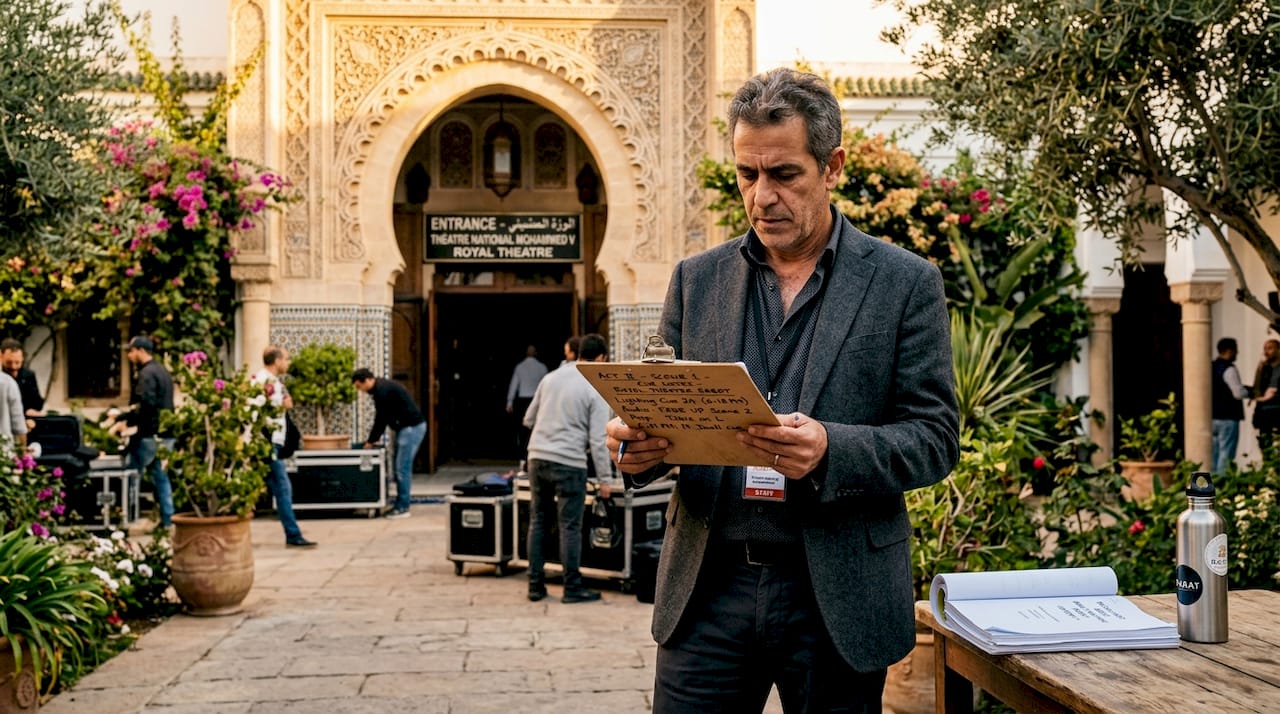
The Royal Theatre in Rabat, designed by the late Zaha Hadid’s firm and completed under Moroccan architect Omar Alaoui, includes a 1,800-seat indoor auditorium and a 7,000-seat open-air amphitheater. The numbers matter less than what they represent: a national declaration that performing arts are central to Morocco’s development vision, not peripheral.
Key features travelers should know:
- Programming scope: The Royal Theatre hosts opera, ballet, world music, and Arabic theatrical productions. International and Moroccan productions rotate through the calendar year.
- Architectural experience: The building itself is worth visiting independently of its programming. Zaha Hadid’s firm designed a structure that references flowing Moroccan tile patterns at a massive scale, creating a conversation between Moroccan art and architecture and contemporary global design.
- Rabat as a cultural base: The city also holds the Kasbah of the Udayas, the Chellah necropolis, and the Mohammed VI Museum of Modern and Contemporary Art, making it a serious cultural destination that most Morocco itineraries undervalue.
- Pairing options: A two-night Rabat stay combining a Royal Theatre performance with a guided historical sites tour of the imperial monuments creates one of the most complete Moroccan cultural experiences available.
For travelers exploring unique cultural activities beyond the standard Marrakesh and Fes circuit, Rabat offers something rare: a city where contemporary ambition and medieval history occupy the same afternoon.
Reimagining Morocco’s history and culture travel for the explorer
Here is what most travel writing gets wrong about Morocco: it treats culture as scenery. A beautiful riad courtyard. A tiled fountain. A spice market was arranged for photographs. This framing serves the Instagram feed but misses the actual substance of what Morocco offers.
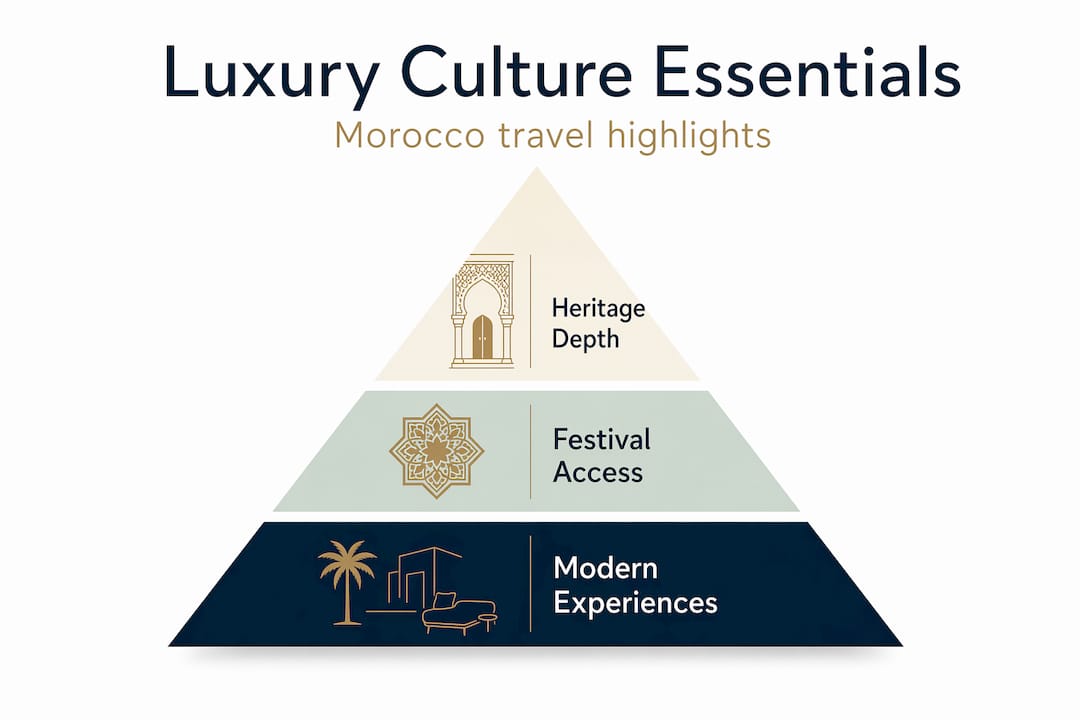
The deeper argument is this: genuineness in Morocco is not purchased through the thread count of your sheets or the exclusivity of your car. It is earned through the quality of your cultural engagement. And that requires choices that most itineraries never propose.
Community tourism helps residents remain in medinas and maintains both intangible cultural heritage and architectural authenticity. This is not charity. It is the mechanism by which Moroccan medinas stay alive rather than becoming hollowed-out heritage parks. When you hire a guide from the Mellah, buy leather from a tannery cooperative rather than a tourist-facing shop, or stay in a family-run riad rather than a branded hotel, you are participating in the continuity of the living culture you came to experience.
The most sophisticated itinerary we have seen woven together over years of guiding high-end travelers through Morocco combines three things: a heritage route sequenced to reveal historical layers (Almoravid, Merinid, Saadian, then French protectorate), a festival anchor that provides direct community access, and at least one modern cultural event in Rabat or Casablanca that shows Morocco in present tense. That sequence produces a genuinely complete picture.
Respecting Ramadan, dressing appropriately, learning the Arabic or Darija phrase for “thank you” (shukran or barakallahu fik), and waiting for your host to begin eating before you start—these are not burdens. They are the fluency markers that signal you are a serious traveler and open doors that remain closed to those who treat Morocco as a backdrop. is elevated etiquette, and Morocco rewards it generously.
Explore Morocco travel packages for culture lovers that are built on this philosophy, combining heritage depth, festival access, and respectful cultural engagement rather than checking boxes on a highlights list.
Plan your Morocco history and culture travel with expert guides
Ready to build a Morocco itinerary that goes beyond the surface? At Moroccotravel1.com, we design travel experiences specifically for travelers who want cultural depth alongside genuine comfort. Our 8-day Morocco tour package covers the imperial cities and UNESCO sites with private expert guides who understand both the history and the living traditions that surround them. For a fuller immersion, the 14-day Morocco Grand Tour package layers festivals, desert landscapes, mountain villages, and modern cultural events into a single cohesive journey. Browse our full collection of best Morocco tour packages to find the itinerary that fits your travel style, whether that means a honeymoon in a rose valley riad, a family adventure through the Sahara, or a private cultural circuit through Fes and Rabat.
Frequently asked questions
What makes Morocco’s Medina of Marrakesh a UNESCO World Heritage Site?
It is recognized for its well-preserved Almoravid monuments and extensive cultural heritage, including a functioning living urban fabric that protects both tangible architecture and the intangible traditions of daily Moroccan life.
How should travelers plan visits around Morocco’s multiple festival calendars?
Travelers need to account for three concurrent cycles: the Gregorian tourism season, agricultural harvest timings, and the Islamic lunar calendar. Early planning and booking at least 2 to 3 months in advance is essential for securing accommodations and priority access to major events.
Are visitors expected to fast during Ramadan in Morocco?
No, visitors are not required to fast, but respectful public conduct, including modest dress and avoiding visible eating or drinking during daylight hours, is expected and appreciated by local communities.
What cultural performances in Rabat offer travelers a modern experience?
The Royal Theatre in Rabat, designed by Zaha Hadid’s firm with a 1,800-seat indoor auditorium and 7,000-seat open-air amphitheater, hosts major international and Moroccan performing arts productions as part of Morocco’s national cultural development vision.
How can travel support the preservation of Morocco’s cultural heritage?
Choosing community-led experiences, local guides, and operators who invest in resident livelihoods directly sustains living heritage. Community tourism keeps medina residents in place and helps maintain both the architecture and the intangible cultural practices that make Morocco’s historic cities genuinely alive.


