

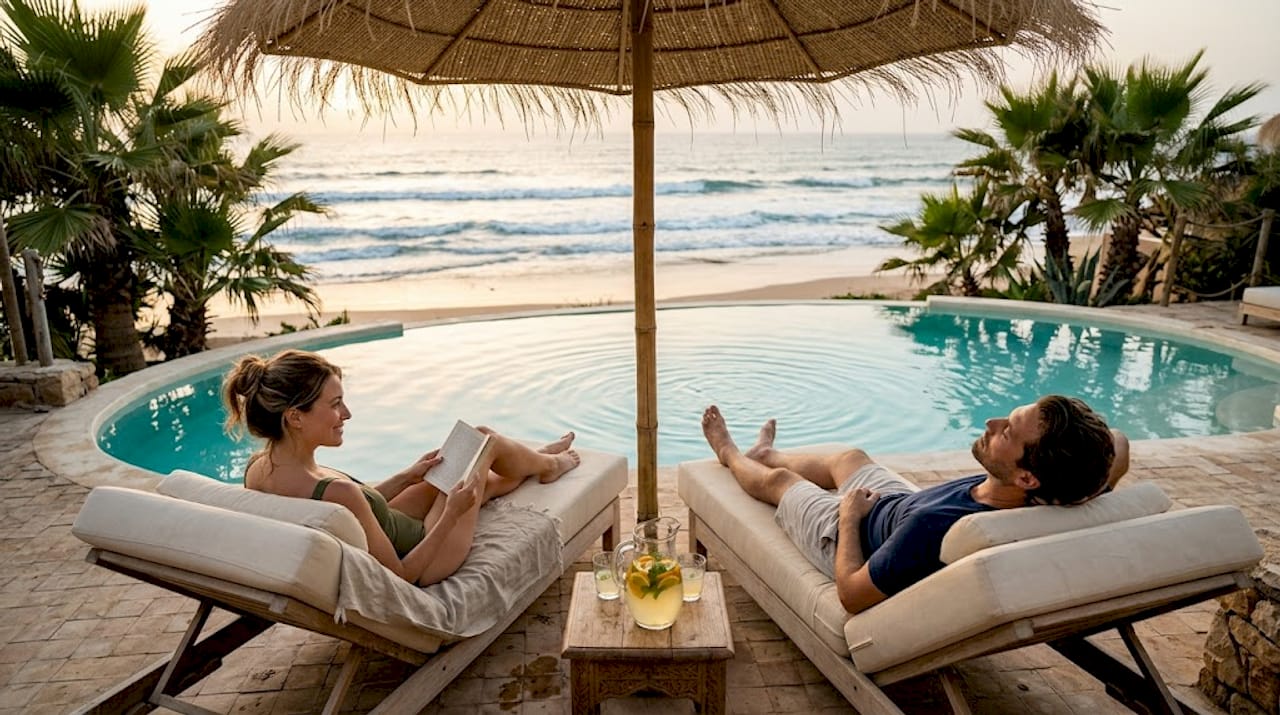
- Morocco beaches and ocean travel offers a unique blend of active Atlantic surfing and calm Mediterranean waters, attracting diverse travelers.
- Selecting the appropriate coast based on activity preferences ensures a memorable experience, complemented by resorts blending cultural authenticity with modern amenities.
- Combining ocean adventures with cultural excursions creates immersive trips that highlight Morocco’s rich heritage and striking landscapes.
Most travelers picture Morocco as a land of desert dunes, ancient medinas, and riads with lantern-lit courtyards. Few realize that Morocco’s beaches and ocean travel are some of the most underrated experiences in the world. With over 3,500 km of coastline spanning both the Atlantic Ocean and Mediterranean Sea, 28 Blue Flag-certified beaches, and more than 300 days of sunshine annually, Morocco’s coast delivers a rare combination of world-class ocean adventure, scenic landscapes, and deeply authentic cultural immersion that almost no other beach destination on earth can match.
Table of Contents
- Distinctive coastal regions in Morocco’s beaches and ocean
- Beach resorts and oceanfront accommodations in Morocco
- Combining ocean adventures with cultural immersion and tailored tours
- Essential travel and packing tips for beach vacations in Morocco
- Why authentic ocean immersion plus cultural depth makes Morocco a unique beach destination
- Tailored Morocco beaches and ocean tour packages for travelers
- Frequently asked questions
Key Takeaways
| Point | Details |
|---|---|
| Diverse coastlines | Morocco’s Atlantic and Mediterranean coasts offer contrasting ocean experiences suitable for different travelers. |
| Resort | Top resorts blend private beach access and authentic Moroccan culture with upscale amenities. |
| Ocean and culture | Combining ocean activities with cultural tours creates a richer vacation experience. |
| Travel essentials | Packing for a coastal climate and following ocean safety guidelines is key for a seamless trip. |
| Tailored packages | Personalized tour packages provide hassle-free access to Morocco’s beaches and cultural gems. |
Distinctive coastal regions in Morocco’s beaches and ocean
Understanding the difference between Morocco’s two coastlines is the single most important decision you will make when planning your trip. They are not interchangeable, and choosing the wrong one for your preferred activities means a vacation that underwhelms.
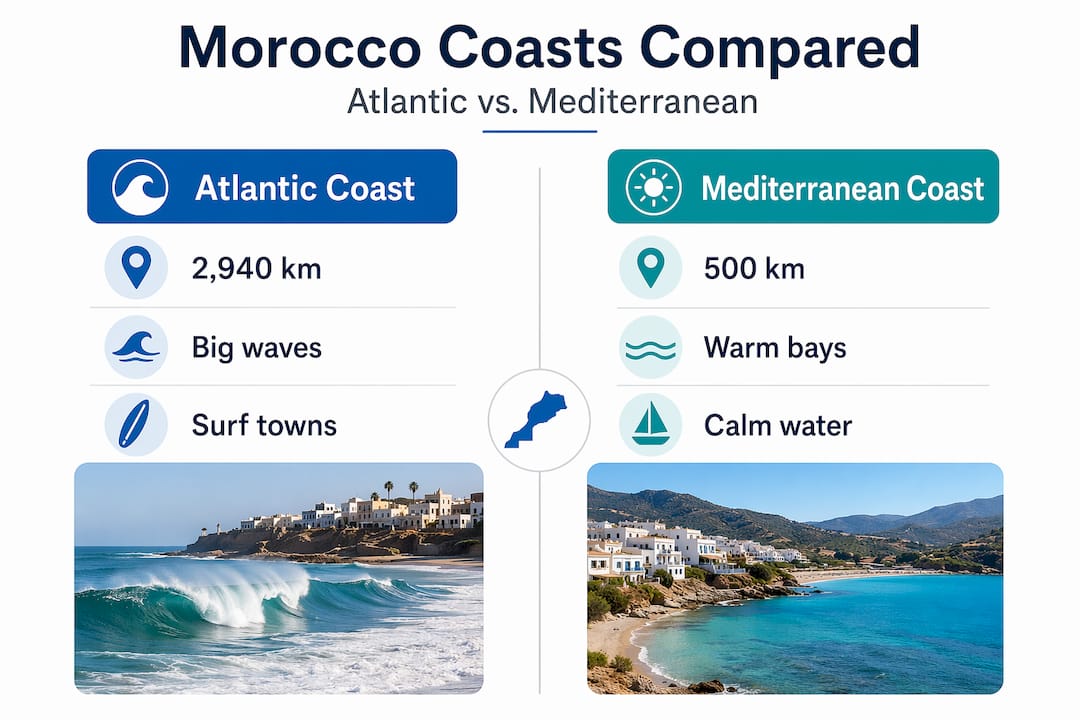
The Atlantic coast runs 2,940 km with wide, dramatic sandy beaches, powerful swells, and consistent winds that make places like Taghazout, Essaouira, and Dakhla globally recognized surf and kitesurfing destinations. The energy here is raw and exhilarating. Water temperatures are cooler, the ocean moves with purpose, and the scenery feels cinematic. This is the coast for travelers who want to be active in the water, not just beside it.
The Mediterranean coast, running 500 km with warm water and sheltered bays, is a different world entirely. Towns like Saïdia and Al Hoceima offer calm, clear water ideal for snorkeling, swimming, and family-friendly beach days. The Moroccan National Tourism Office describes the Atlantic as the destination for dramatic surf scenery and the Mediterranean for warmer, calmer swimming in secluded coves. Both are right. They are just built for different travelers.
Atlantic vs. Mediterranean: A direct comparison
| Feature | Atlantic coast | Mediterranean coast |
|---|---|---|
| Coastline length | 2,940 km | 500 km |
| Water temperature | Cooler (18–22°C in summer) | Warmer (24–27°C in summer) |
| Wave conditions | Powerful swells, long rideable waves | Calm, sheltered, gentle |
| Best activities | Surfing, kitesurfing, yoga retreats | Swimming, snorkeling, sailing |
| Top destinations | Taghazout, Essaouira, Dakhla | Saïdia, Al Hoceima, Martil |
| Resort ambiance | Boutique eco-resorts, surf lodges, | Family resorts, marina hotels |
| Crowd level | Moderate, known to surf community | Less international, more local |
Morocco’s 28 Blue Flag beaches are a detail worth respecting. Blue Flag certification (awarded by the Foundation for Environmental Education) signals clean water, adequate safety infrastructure, and environmental management. For travelers, booking stays near Blue Flag-certified beaches is a shortcut to guaranteed water quality and safety standards. These are not arbitrary labels.
Key highlights of exploring Morocco’s coastal regions:
- Taghazout delivers consistent year-round surf and a laid-back fishing village atmosphere
- Essaouira combines Atlantic winds ideal for kitesurfing with a UNESCO-listed medina steps from the beach
- Dakhla, in the far south, is the most remote and exclusive, with a lagoon famous for flat-water kitesurfing
- Saïdia, called “the Blue Pearl,” has 14 km of sandy beach and a large marina with resort infrastructure
- Al Hoceima sits within a national park, surrounded by dramatic cliffs and crystal-clear coves
Explore the best coastal regions in Morocco to match your preferred coast with the right itinerary before you book.
Pro Tip: Choose your coast based on one question: do you want to be in the ocean or on it? “Atlantic” means active water sports. “Mediterranean” means calm, warm swimming and snorkeling. Getting this wrong is the most common mistake beach travelers make in Morocco.
Beach resorts and oceanfront accommodations in Morocco
The quality of Morocco’s resort scene has risen significantly in the past decade, and the best properties do something unusual: they combine genuine five-star amenities with authentic Moroccan architecture, local materials, and cultural programming that most international beach resorts skip entirely.
Sofitel Agadir Royal Bay sets the standard on the Atlantic coast. The property offers private beach access, lagoon pools, and spa services that blend French elegance with Moroccan hospitality. Rooms feature traditional zellige tile work alongside modern furnishings. The thalassotherapy spa uses local argan and sea salt in treatments. Staying here does not feel generic. It feels specifically Moroccan.
Fairmont Taghazout Bay takes a different approach. Spread across 16 hectares with 150 ocean-view rooms, a surf school, a yoga studio, and restaurants, this resort integrates the local surf culture into the guest experience rather than ignoring it. The architecture mirrors the stacked whitewashed buildings of nearby fishing villages. You are not isolated from Morocco. You are inside it.
Paradis Plage, north of Agadir, is the eco-resort choice for travelers who want sustainability alongside it. The property offers private beach access, yoga classes, surf lessons, and a strong commitment to reducing environmental impact. September is the sweet spot for visiting: water temperatures are still warm from summer, crowds have thinned, and Atlantic swells begin building for the surf season.
Top features to look for when choosing your oceanfront resort:
- Private beach access or proximity to a Blue Flag beach
- On-site ocean activity programs (surf school, snorkeling, kayaking)
- Cultural day trip programming to nearby medinas, fishing villages, or argan cooperatives
- Hammam and traditional spa treatments using local ingredients
- Dining that features regional Moroccan cuisine, not just international menus
- Transportation partnerships for inland day trips
The best resorts along the Atlantic coast also organize cultural excursions to nearby fishing villages, Berber markets, and argan oil cooperatives. This is where Morocco separates itself from every other beach destination. The Agadir beach resorts and Essaouira oceanfront hotels illustrate exactly how this combination works in practice.
Pro Tip: Book your resort at least three months in advance for peak months like July, August, and October. The best oceanfront rooms at properties like Fairmont Taghazout Bay sell out early, and last-minute bookings often land you in a garden view room rather than the ocean view you came for.
Combining ocean adventures with cultural immersion and tailored tours
Morocco’s greatest coastal advantage is geographic. Within 90 minutes of any beach resort, you can be watching fishermen haul in their morning catch, walking through a 16th-century medina, or watching women press argan oil in a village cooperative. No other beach destination puts this kind of authentic cultural depth within such easy reach.
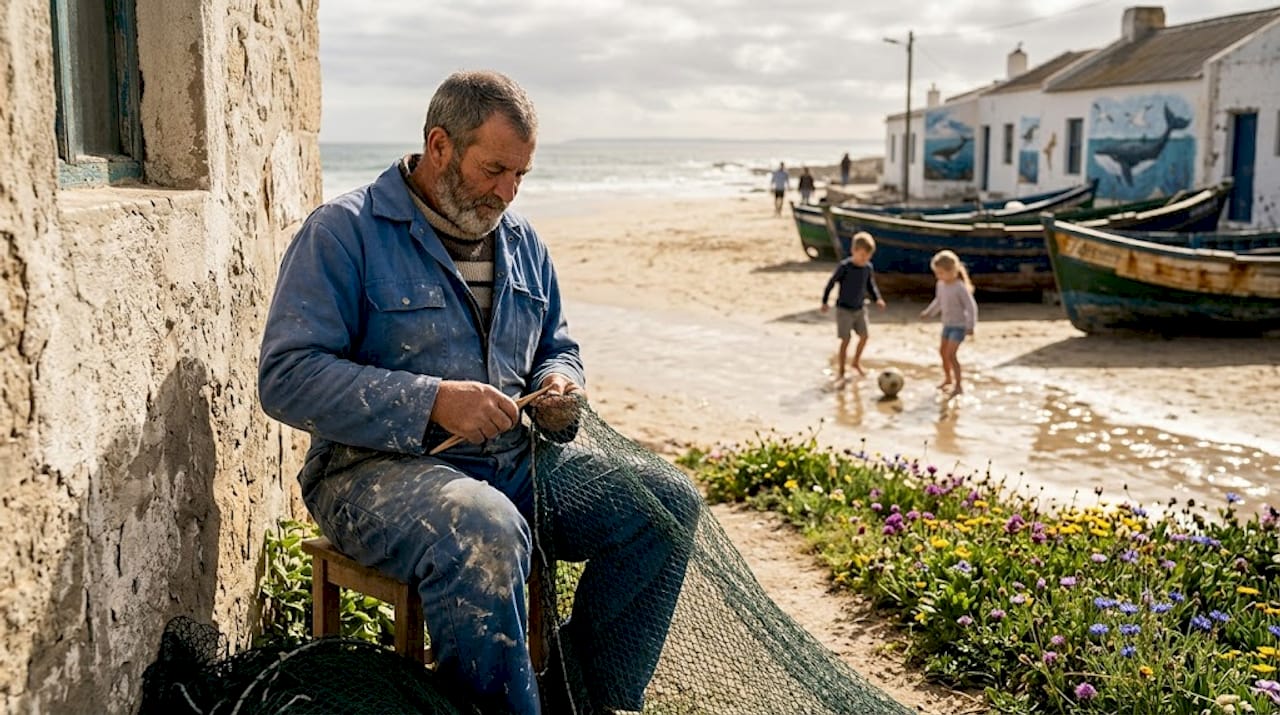
Taghazout’s year-round surf culture has transformed a quiet fishing village into one of the most exciting places for travelers who want active ocean immersion. The surfing is accessible to beginners and genuinely challenging for experienced surfers. But what makes Taghazout special is walking away from the surf break and into the village itself, where the pace slows to something ancient and the smell of fresh-caught fish and mint tea takes over.
Here is how to structure a tailored ocean and cultural immersion itinerary:
- Start with ocean activity certification. Book surf or kitesurfing lessons on day one through certified schools in Taghazout. This is not about being a beginner. It is about understanding local conditions safely and efficiently.
- Spend a morning at the fishing harbor. In Taghazout or Agadir, visiting the working harbor before 8 AM gives you a glimpse of the economy and culture that built these coastal towns.
- Drive inland to Taroudant. The 90-minute drive from Agadir to Taroudant’s walled medina is one of the most rewarding day trips in southern Morocco. This city is often called “little Marrakech,” and it deserves the comparison, minus the tourist crowds.
- Stop at an argan cooperative en route. The road between Agadir and Essaouira passes through the Argan Forest, a UNESCO Biosphere Reserve. Local women’s cooperatives offer tours that are genuine, not staged.
- Evening back at the resort. Return for a hammam treatment or a sunset surf session. The contrast between the ancient medina and the Atlantic Ocean within a single day is what makes Morocco unlike anywhere else.
Tour operators combining beach and culture offer structured trips that handle logistics while ensuring access to authentic experiences. Exploring personalized cultural tours in Morocco gives you a framework for building this kind of itinerary properly. For travelers who want something beyond the standard, the unique cultural experiences Morocco guide adds options that most itineraries miss entirely.
Safety reminder: Atlantic currents are powerful. Book surf lessons with certified schools rather than paddling out independently. Rip currents along unguarded sections of the Atlantic coast are a genuine risk, not an overcautious warning.
Essential travel and packing tips for beach vacations in Morocco
The gap between a smooth Morocco beach vacation and a frustrating one often comes down to preparation. A few specifics that most general travel guides gloss over.
Packing essentials for Morocco’s coast:
- Loose linen cover-ups and reef-safe sunscreen are non-negotiable. Local sunscreen options are expensive and limited in selection. Bring enough from home.
- Warm layers for evenings. This surprises most first-time visitors. Even in July, coastal evenings can be noticeably cool due to Atlantic winds. A light jacket or linen cardigan is not optional; it is regularly worn.
- A dry bag for all ocean activities. Your phone, passport copy, and cash should not go near the Atlantic without one.
- Modest clothing for walking from the beach into town. Morocco’s coastal towns are relaxed by Moroccan standards, but covering up when you leave the beach is both respectful and practical.
- Water shoes for rocky Mediterranean coves, where the seabed can be sharp.
Ocean safety on Morocco’s Atlantic coast:
- Swim only at guarded beaches like Agadir Bay and always check the flag system before entering the water. A red flag means stay out. This rule is not flexible.
- Avoid open ocean swims at surf breaks unless you are an experienced ocean swimmer. The same swells that excite surfers are genuinely dangerous for casual swimmers.
- Book all surf lessons with certified schools in Taghazout rather than freelance instructors advertising on the beach.
Logistics that save time:
- Book your airport transfer from Agadir in advance. Taxis from the airport to Taghazout or Agadir resort zones can be unreliable in peak season, and prices are negotiable but opaque without prearranged transportation.
- Arrange inland day trips through your resort or tour operator rather than ad hoc. This ensures reliable vehicles and guides.
Check out these travel tips for Morocco and detailed weather tips for Morocco beach vacations to finalize your preparation and timing.
Pro Tip: Bring a dry bag for every ocean activity session. Waterproof pouches that attach to your wetsuit or float independently are even better for surf sessions where the bag may take water.
Why authentic ocean immersion plus cultural depth makes Morocco a unique beach destination
Most beach destinations compete on the same terms: water clarity, resort amenities, fine dining, and private beaches. Morocco competes on all of those and then adds something no Caribbean island or Southeast Asian resort cluster can match: the density of authentic, accessible, non-touristified culture within minutes of the ocean.
There is a tendency among travelers to treat the beach and the culture as separate options, as if you choose one and sacrifice the other. In Morocco, that is a false trade-off. A morning of surfing in Taghazout and an afternoon walking through Taroudant’s souks are not contradictory. They are complementary, and the contrast between them is what makes the day memorable rather than just pleasant.
The combination of active ocean sport with inland cultural exploration creates something that pure beach vacations rarely deliver: the feeling of having actually been somewhere. Most beach vacations end with a tan and some photos. A well-designed Morocco coastal trip ends with stories about the woman in the argan cooperative who explained her craft in three languages or the fisherman in the Taghazout harbor who insisted you try the morning’s catch grilled on an open fire before 7 AM.
What undermines most Morocco beach vacations is not the destination. It is underplanned. Travelers who book a resort and leave the rest to chance miss 80 percent of the experience that requires local knowledge to access. The guides, the timing, the sequence of experiences, and the relationships with local operators matter enormously here. Sustainable, locally informed travel is not just ethical; it is practically better. Local guides take you to the fish market before tourists arrive, not at peak crowd time. They know which cooperative is genuinely run by local women and which is a tourist facsimile.
Morocco’s coast is not a backup plan for travelers who couldn’t get to the Maldives. For travelers who want substance alongside, it is the first choice. Plan your trip with this understanding via the Morocco holiday planning guide, and you will arrive knowing exactly what to expect and how to get the most from it.
Tailored Morocco beaches and ocean tour packages for travelers
If planning your ideal Morocco coastal vacation feels complex, that is because it is. Combining the right coastal region, the best resort, certified ocean activities, cultural day trips, and smooth logistics requires insider knowledge that takes years to build. That is exactly what our team at Moroccotravel1.com does every day.
We offer tailored packages for couples, families, and solo travelers that include oceanfront stays at top properties like Fairmont Taghazout Bay, Sofitel Agadir, and Paradis Plage, paired with guided cultural excursions, private beach access, and certified ocean activity programs. Our 14-day Morocco grand tour covers both Atlantic and inland highlights with professional local guides throughout. Families will find everything they need in our 10-day family tour package to Morocco, while couples looking for an unforgettable coastal romance will love our honeymoon tour package to Morocco. Every itinerary is customizable, and every booking comes with 24/7 support from our team.
Frequently asked questions
Which Moroccan beaches are best for travelers seeking ocean activities?
Taghazout on the Atlantic coast is the top choice for surfing and kitesurfing, while Saïdia and Al Hoceima on the Mediterranean offer calm, warm water for snorkeling and swimming; your best pick depends entirely on whether you want active ocean sports or relaxed, warm-water leisure.
Are there safe swimming beaches along Morocco’s Atlantic coast?
Yes, Agadir Bay has guarded swimming areas with a clear flag safety system, but you should always check flags before entering the water and avoid unguarded sections where rip currents are a real risk.
What is the best time to visit Morocco for a beach vacation?
Agadir gets 300+ days of sunshine annually, making it a year-round destination; October through March delivers the best surf conditions on the Atlantic, while summer months offer warmer Mediterranean waters perfect for families.
How can travelers combine beach time with authentic Moroccan cultural experiences?
Book a personalized tour that includes day trips to fishing villages, local medinas like Taroudant, and argan cooperatives; these structured itineraries ensure you get genuine cultural access alongside your oceanfront resort stay.


