

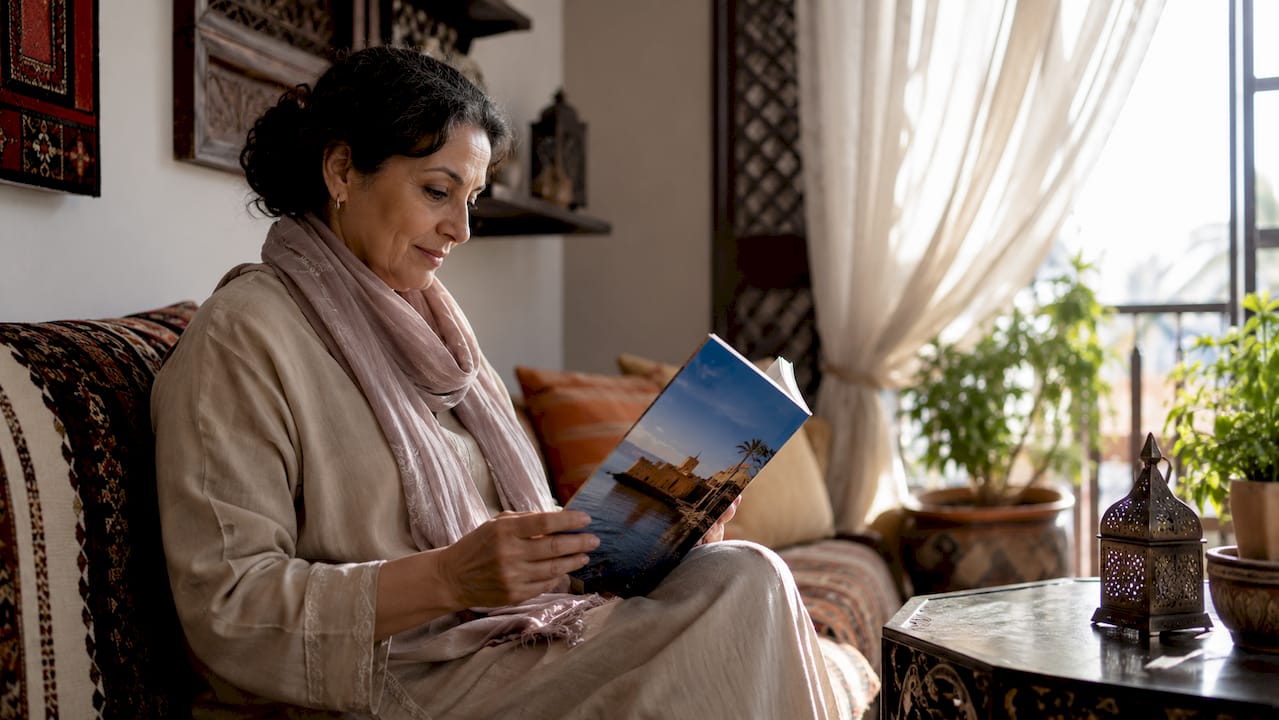
- Travelers to Morocco should read safety advisories, prepare their health, and carry travel insurance before visiting.
- Respectful dress, basic language phrases, and cultural awareness enhance the travel experience.
- The best time to visit is in spring or fall, with a 7 to 10-day itinerary suitable for first-timers.
Morocco is one of the most culturally layered destinations in the world, and knowing what to expect before you land makes the difference between a frustrating trip and a genuinely memorable one. What to know before visiting Morocco covers far more than packing a bag: it means understanding local customs, reading current safety advisories, planning your timing, and knowing how money actually works on the ground. First-time travelers who skip this preparation often find themselves caught off guard by cultural norms, cash-only markets, or geographic risks they never anticipated. This guide covers every layer, so you arrive ready.
What travel safety and health precautions should visitors take in Morocco?
Morocco is a safe destination for most travelers, but specific risks require real preparation rather than wishful thinking.
Current safety advisories
The UK Foreign, Commonwealth and Development Office (FCDO) and Australia’s SmartTraveller both publish updated Morocco advisories that every traveler should read before booking. Australia’s SmartTraveller warns of a terrorism risk, advises against attending protests, and flags kidnapping risks in remote and border areas. One geographic detail most travelers miss: SmartTraveller specifically recommends staying at least 30 kilometers away from the Berm, the fortified barrier separating Morocco from the Western Sahara. That zone is not a tourist area, and the risk there is categorically different from anywhere else in the country.
The UK FCDO reinforces that no travel can be guaranteed safe and advises travelers to read the full safety section of their Morocco guidance before departure. That is not boilerplate. It reflects real variability in risk by region and season.
Petty crime is the most common issue for visitors. Pickpocketing in medinas, bag snatching near tourist sites, and aggressive tout behavior in Marrakech and Fez are well documented. Staying alert in crowded souks and keeping valuables secured addresses most of this risk.
Health preparation before you go
The CDC recommends visiting a clinician at least one month before your trip to review vaccinations, including MMR. That one-month window matters because some vaccines require multiple doses spaced weeks apart.
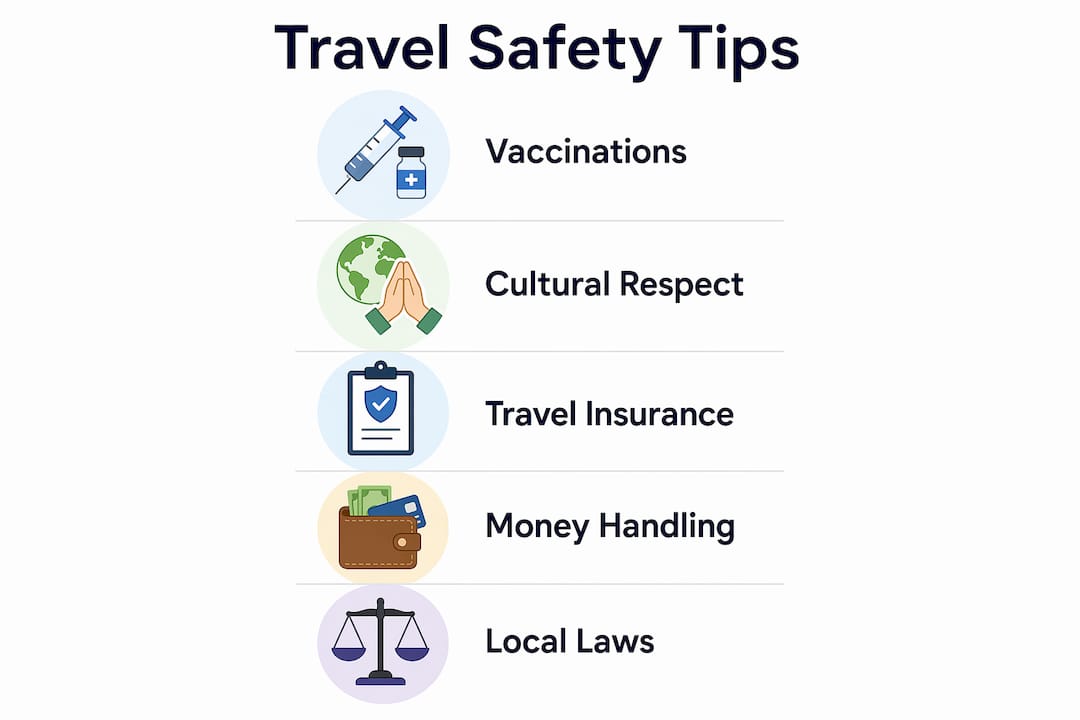
Rabies is a genuine risk in Morocco. The CDC has documented rabies cases there, and the protocol after any suspected animal bite is immediate medical care. Post-exposure prophylaxis must begin quickly. Delay can be life-threatening. Carry your medical records and know the location of the nearest hospital or clinic at each stop on your itinerary.
Pro Tip: Pack a written list of your vaccinations, blood type, and any prescription medications. Pharmacies in Marrakech and Fez are well stocked, but having documentation speeds up any medical interaction.
Travel insurance is not optional
“Suitable travel insurance, including coverage for medical evacuation, is a baseline requirement for Morocco travel, not an upgrade.” — SmartTraveller
The UK FCDO and SmartTraveller both stress that insurance must cover your full itinerary and emergency medical evacuation. Medical evacuation from a remote area like the Draa Valley or the Sahara can cost tens of thousands of dollars without coverage. Travelers who want to compare options before booking can review travel insurance guidance to understand what adequate coverage actually looks like. For Morocco-specific insurance considerations, Moroccotravel1 also publishes a dedicated Morocco travel insurance guide worth reading before you finalize your policy.
How should travelers prepare for Moroccan culture and customs?
Islam is the predominant religion in Morocco, and cultural expectations flow directly from that fact. Visitors who make small adjustments to their behavior and dress are treated with noticeably more warmth and respect.
Dress code basics
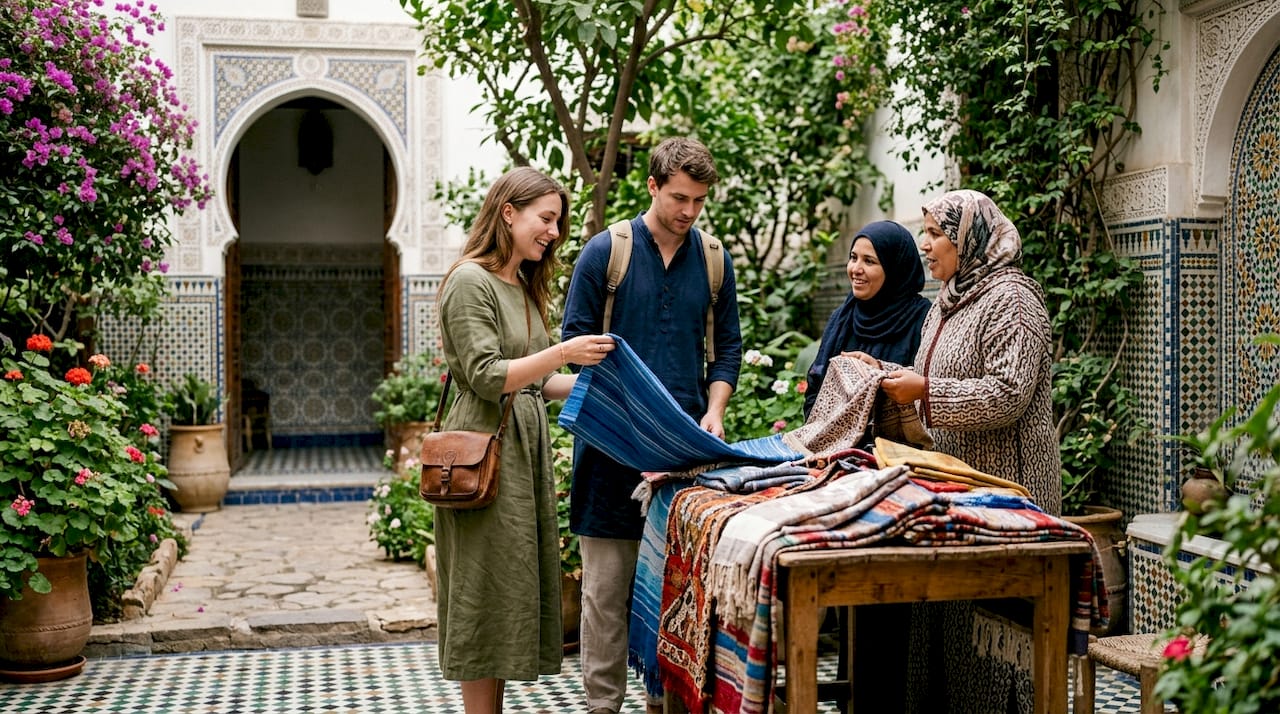
The baseline rule is straightforward: cover your shoulders and knees in medinas, religious sites, and rural areas. This applies to both men and women. Beachwear stays at the beach. In cities like Marrakech, Fez, and Chefchaouen, the medina is a living neighborhood, not a theme park, and residents notice when visitors dress as if they are at a resort.
At mosques, remove your shoes before entering. Most mosques in Morocco are not open to non-Muslim visitors, with the Hassan II Mosque in Casablanca being the most notable exception. If you are invited into a mosque, follow the lead of your host.
During Ramadan, the dress code becomes more conservative across the board. Eating, drinking, or smoking in public during daylight hours is disrespectful and, in some areas, legally restricted. Ramadan timing shifts each year based on the lunar calendar, so check the dates when planning your trip.
Language and communication
Arabic and Tamazight (Berber) are Morocco’s official languages. French is widely spoken in cities and is the practical language of business, signage, and tourism. English is increasingly common in Marrakech, Fez, and Essaouira, particularly among younger guides and hotel staff.
Learning a handful of French phrases, such as “s’il vous plaît” (please) and “merci” (thank you), goes a long way. Moroccan Arabic phrases like “shukran” (thank you) and “la shukran” (no thank you) are even more appreciated by locals.
Photography and bargaining etiquette
Always ask before photographing people, especially in medinas and rural villages. Many Moroccans are happy to be photographed but expect to be asked first. Some will request a small payment, which is reasonable.
Bargaining is standard practice in souks and markets. The opening price is rarely the final price. Approach it as a conversation, not a confrontation. A calm, friendly negotiation is part of the experience and often ends with both sides satisfied.
Pro Tip: If you genuinely do not want to buy something, a polite “la shukran” with a smile is more effective than ignoring a vendor. It signals respect and usually ends the interaction cleanly.
What are the best times to visit and recommended itineraries?
When to go
The best months to visit Morocco are March through May and September through November. Spring brings wildflowers to the Atlas Mountains and comfortable temperatures across the country. Fall offers similar conditions with fewer crowds than spring. Summer in the interior, particularly in Marrakech and the Sahara, reaches extreme heat that makes sightseeing genuinely uncomfortable. Winter is mild on the coast but cold in the mountains and desert at night.
How long to stay
A 7 to 10 day trip is the recommended length for first-time visitors. That window gives you enough time to experience two or three major destinations without spending most of your trip on buses or trains. Spreading across too many cities in under a week creates transit fatigue and reduces the quality of each stop.
A practical first-timer route
| Day Range | Destination | Highlights |
|---|---|---|
| Days 1–3 | Marrakech | Djemaa el-Fna, Majorelle Gardens, souks |
| Days 4–5 | Atlas Mountains | Berber villages, Toubkal foothills |
| Days 6–8 | Merzouga / Sahara | Erg Chebbi dunes, camel treks, desert camps |
| Days 9–10 | Fez or Essaouira | Fez medina, blue fishing port, coastal seafood |
Travelers with 13 days or more can extend this route to include Casablanca, Chefchaouen, or the Draa Valley. Moroccotravel1’s Morocco Highlights Tour covers this extended route with a local guide.
Book Majorelle Gardens and the YSL Museum in advance. Both sell out regularly, especially in spring. Walk-up entry is not reliable at peak times.
What practical travel tips should visitors know before arriving?
Currency and payments
Morocco’s currency is the Moroccan dirham (MAD). Dirhams are not freely convertible outside Morocco, so exchange money after you arrive. ATMs are widely available in cities, and airport exchange desks are functional but offer worse rates than city center banks or ATMs.
Cash dominates day-to-day purchases, especially in souks, small restaurants, and rural guesthouses. Cards are accepted in upscale hotels and larger restaurants, but do not count on them in medinas. Carry enough dirhams to cover a full day of spending before heading into a market area.
A reasonable daily budget for mid-range travelers runs roughly $35–60, covering accommodation, meals, and transport. Luxury riads and desert camps sit well above that range.
Getting around Morocco
Trains connect Casablanca, Rabat, Fez, and Marrakech reliably and comfortably. The ONCF rail network is the most efficient way to move between major northern cities. For the Sahara and Atlas Mountains, shared taxis (grand taxis) and private transfers are the standard options. Buses operated by CTM and Supratours cover most intercity routes at lower cost.
Avoid driving near the Western Sahara Berm zone. The roads are remote, infrastructure is minimal, and the security situation differs from the rest of the country.
- Book train tickets in advance during peak season, especially on the Marrakech to Casablanca route.
- Negotiate taxi fares before getting in, or insist on the meter in cities.
- Riads in medinas often require a guide or detailed directions to find. Download offline maps before arrival.
- Moroccotravel1’s accommodation guide covers riad vs. hotel tradeoffs across price points.
Accommodation options
Riads are traditional Moroccan homes converted into guesthouses, typically built around a central courtyard. They offer an authentic experience and are often quieter than street-facing hotels despite being located inside busy medinas. Boutique hotels and luxury desert camps are available at the higher end. Budget travelers will find hostels and small guesthouses in every major city.
Pro Tip: Book your first and last nights in Marrakech or Fez well in advance. Arrival-day accommodation stress wastes time and energy you will need for the trip itself.
Key takeaways
Successful Morocco travel depends on combining cultural respect, up-to-date safety knowledge, and practical logistics before you leave home.
| Point | Details |
|---|---|
| Get travel insurance | Coverage must include medical evacuation, especially for remote desert and mountain areas. |
| Dress modestly | Cover shoulders and knees in medinas, mosques, and rural areas to avoid friction and show respect. |
| Travel in spring or fall | March–May and September–November offer the most comfortable weather for sightseeing. |
| Carry Moroccan dirhams | Cash is required for souks, small restaurants, and rural guesthouses across the country. |
| Plan a 7–10 day itinerary | This length balances cultural immersion with manageable travel distances for first-timers. |
What I’ve learned from years of planning Morocco trips
Most travelers spend 90% of their planning time on what to see and almost none on how to stay safe and culturally grounded. That imbalance creates avoidable problems.
The single most underrated step is reading the current UK FCDO or SmartTraveller advisory, not skimming it. The Berm zone warning, for example, is not something most travel blogs mention, but it matters if your itinerary edges toward the Western Sahara. Geographic awareness is as important as knowing which riad to book.
Cultural respect in Morocco is not complicated, but it requires consistency. Covering up in medinas, asking before photographing, and learning a few words of French or Moroccan Arabic are small investments that change how locals respond to you. Morocco is not a country where tourists are invisible. Your behavior is noticed, and the interactions you have will reflect it.
On itinerary length: I have seen travelers try to cover Marrakech, Fez, Chefchaouen, the Sahara, and Essaouira in eight days. They arrive home exhausted and remember the bus rides more than the destinations. A tighter route, done well, is worth far more than a checklist of cities half-experienced. Cluster your destinations, build in one slow day, and let Morocco’s pace work in your favor rather than against it.
Carry French. Practice bargaining with a smile. Get the insurance. Those three things will shape your trip more than any specific attraction you visit.
— Moroccotravel1.com
Planning your Morocco trip with Moroccotravel1
Moroccotravel1.com offers private and custom Morocco tours built around the kind of preparation this guide describes. Whether you are planning a 10-day family trip, a honeymoon itinerary, or a 14-day grand tour from Casablanca to the Sahara, each package includes local expert guides, pre-booked accommodations, and 24/7 support. For travelers who want luxury without the logistics, the 8-day luxury Morocco tour covers riads, desert camps, and curated cultural stops. Browse the full range of Morocco tour packages to find the itinerary that fits your travel style and timeline.
FAQ
What vaccinations do I need before visiting Morocco?
The CDC recommends seeing a clinician at least one month before travel to review vaccines, including MMR. Rabies exposure requires immediate medical care, so know where to find a clinic at each stop.
Is Morocco safe for first-time travelers?
Morocco is safe for most visitors who follow current advisories. SmartTraveller advises avoiding protests and remote border areas and staying at least 30 kilometers from the Berm zone.
What is the best time of year to visit Morocco?
March through May and September through November offer the most comfortable temperatures for sightseeing across Morocco’s cities, mountains, and desert regions.
Do I need cash in Morocco?
Yes. Moroccan dirhams are required for souks, small restaurants, and most rural guesthouses. Cards work in upscale hotels and larger restaurants, but cash is the default in most daily situations.
What should I wear in Morocco?
Cover your shoulders and knees in medinas, mosques, and rural areas. During Ramadan, dress more conservatively throughout the day, regardless of location.


